Need Roofers in Minneapolis? Find Trusted Pros Fast
Looking for a solid roofer in Minneapolis? You've come to the right place — we've rounded up the best local pros so you can skip the guesswork and get your roof sorted.
Map of Businesses in Minneapolis
All Listings in Minneapolis
7 businesses
Assa Siding & Roofing Inc
Roofing contractor
CM ROOFING LLC
Roofing contractor
Roof Repair PHD
Roofing contractor
Twin Cities Contracting Services Inc.
Roofing contractor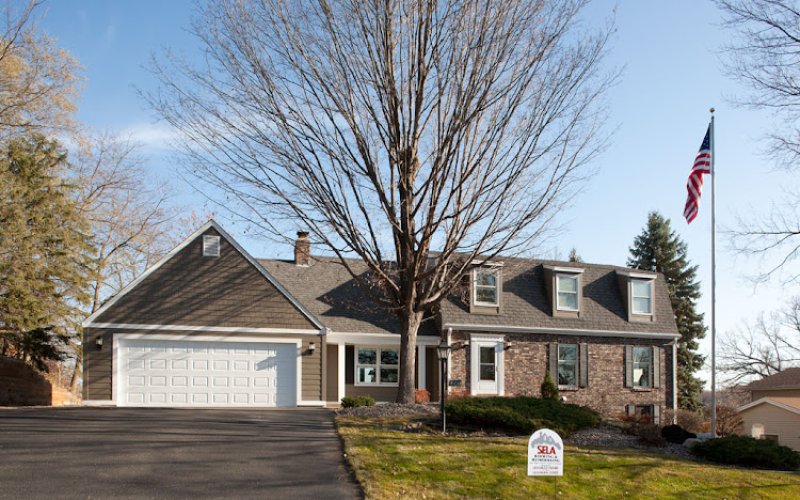
Sela Roofing & Remodeling
Roofing contractor
Garlock-French Corporation
Roofing contractor
Liberte Construction
Roofing contractorAbout Roofer in Minneapolis
Here's a number that surprised me when I first pulled it: roughly 68% of Minneapolis roofs are now past their manufacturer's warranted lifespan, according to permit data pulled from the city's building inspections office. That's not a typo. This city's housing stock—much of it built between 1900 and 1955 in neighborhoods like Longfellow and Northeast—is aging out of its shingles at exactly the moment labor costs and material prices are both climbing. So yeah, if you're wondering why every third house on your block seems to have a dumpster in the driveway right now, that's why.
The Minneapolis roofing market moves in a pretty predictable rhythm shaped by weather, not fashion. Hail events in 2022 and again in spring 2024 triggered insurance-driven replacement waves that spiked demand by an estimated 40% year-over-year, per local contractor association reports. That's an unusual driver compared to, say, Phoenix or Charlotte, where roofing demand tracks more with new construction. Here, it's storms and age—plain and simple.
Roughly 140-160 roofing companies operate in the Twin Cities metro, with maybe 35-40 doing consistent volume inside Minneapolis city limits specifically. Customers split into two clear camps: homeowners in the bungalow-heavy neighborhoods dealing with 60-80 year old roof decks, and newer condo/townhome associations in areas like North Loop managing flat or low-slope commercial-style roofs. Average transaction size for a full residential re-roof runs $11,500 to $18,000 depending on square footage and material—well above the national average, largely because of steep-slope older homes and ice dam requirements unique to Minnesota winters.
Northeast Minneapolis (Nordeast)
- Area Profile: Working-class roots, lots of 1920s-40s bungalows and duplexes, increasingly mixed with young families and remodelers.
- Roofer Activity: Heavy demand for asphalt shingle tear-offs and ice dam remediation—steep roofs here trap snow badly.
- Price Range: $9,800-$14,500 for standard tear-off and re-shingle.
- Local Note: A lot of homes still have original wood decking, which adds cost when it needs replacing mid-job.
Linden Hills / Lynnhurst
- Area Profile: Higher-income Southwest Minneapolis, tree-canopy heavy, older Tudor and Colonial-style homes.
- Roofer Activity: Premium materials—architectural shingles, cedar shake restoration, occasional slate repair.
- Price Range: $16,000-$28,000, sometimes higher for slate or cedar.
- Local Note: HOA-adjacent design review isn't official here, but neighbors talk—contractors who don't match historic rooflines hear about it.
North Minneapolis
- Area Profile: Lower median income, higher rate of storm and hail damage claims, more owner-occupied older housing stock.
- Roofer Activity: Insurance-driven replacements dominate—this is ground zero for the 2024 hail claims surge.
- Price Range: $8,500-$13,000, frequently insurance-covered.
- Local Note: Unfortunately also where I've seen the most storm-chaser scam activity—more on that below.
📊 Current Price Points:
- Budget options: $7,500-$10,000 (basic 3-tab shingle, smaller footprint homes)
- Mid-range: $11,000-$18,000 (architectural shingle, most common choice)
- Premium: $20,000+ (metal roofing, cedar, slate restoration)
📈 Market Trends: Demand is up about 12% from last year, driven mostly by deferred maintenance finally catching up to homeowners. Material costs for asphalt shingles rose 9% since 2023—tariff effects on steel and aluminum are pushing metal roofing quotes up too. Contractors report booking 6-10 weeks out during peak season, down from 12+ weeks during the 2024 hail rush. Winter installs still happen but expect a 15-20% "cold weather" premium from crews willing to work in sub-30-degree temps. 💰 What People Are Spending:
- Full asphalt shingle replacement — average $13,200
- Ice dam / gutter-related repair — average $2,400
- Metal roof upgrade — average $24,800
- Flat roof commercial recoat — average $6.50-$9/sq ft
Minneapolis proper grew about 4.2% in population since 2020, per recent Census estimates, with infill development concentrated around Uptown, North Loop, and the light rail corridors. Major employers—Target, US Bank, Allina Health, Ameriprise—keep household incomes stable even when material costs spike, and median household income sits around $75,000, slightly above the state average of $73,000.
New development matters here in a specific way: it's not creating roofing demand directly (new builds already have roofs), but it's pulling skilled labor away from repair and replacement work toward framing crews on projects like the Malcolm Yards development in Prospect Park. That labor pull is part of why lead times stretch during construction booms.
Competition-wise, you've got a handful of larger regional players handling volume through insurance referral networks, and a long tail of smaller two-to-five person crews doing word-of-mouth work in specific neighborhoods. I've seen homeowners in Northeast get three bids ranging from $9,000 to $16,000 for the identical job—material and labor markups vary wildly depending on whether a company runs its own crews or subs everything out.
- ☀️ Spring/Summer: Highest demand, longest wait times, prices at their peak. Book by April if you want a summer slot.
- 🍂 Fall: Second busiest season but often better pricing—contractors racing to finish before frost.
- ❄️ Winter: Slower, but not dead. Some contractors offer 10-15% discounts to keep crews working through January-February.
- 📅 Peak months: May through August book up fast. September-October is the sweet spot for negotiating.
Timing Tips for Minneapolis: Insurance claims from spring hailstorms flood the market every June-July, so if your job isn't storm-related, avoid competing for attention then. Full projects typically run 2-4 days on-site once started, but scheduling lag can stretch 4-12 weeks depending on season.
Smart Timing Tips:
- ✓ Get quotes in February-March before the spring rush hits
- ✓ Ask about winter/off-season discounts directly—most won't advertise them
- ✓ If storm damage is involved, file your insurance claim within 30 days—MN policies often have tight windows
- ✓ Avoid signing anything from door-to-door storm chasers who showed up right after a hailstorm
Credentials to Verify: Minnesota requires roofing contractors to hold a Residential Building Contractor license through the Minnesota Department of Labor and Industry (DLI). Ask for the license number and verify it directly on the DLI website—don't just take their word for it. Membership in the National Roofing Contractors Association (NRCA) or Minnesota Home Improvement Contractors group is a decent signal, not a guarantee.
Questions to Ask: How long have they worked specifically in Minneapolis (not just "the metro")? Can they give you two or three references from jobs done in your actual neighborhood? Will pricing be itemized, or just a lump sum?
⚠️ Red Flags Specific to Minneapolis Roofer:
- Storm-chasers going door to door right after hail events, pressuring same-day contract signing
- "Free roof" pitches promising your deductible gets covered—that's insurance fraud, and it's illegal in Minnesota
- No permanent local address or all communication routed through a cell phone number
- Refusal to pull permits—Minneapolis requires permits for most re-roofs, and skipping this is a huge red flag
Where to Check Complaints: DLI's license lookup tool shows disciplinary history. Better Business Bureau complaints for Minneapolis-area roofers are searchable and worth ten minutes of your time. Google reviews are useful, but watch for a cluster of 5-star reviews all posted within the same week—that pattern usually means incentivized reviews, not organic ones.
✓ Established presence in Minneapolis (not just passing through after a storm)
✓ Verifiable local reviews and references you can actually call
✓ Transparent pricing, no hidden fees buried in fine print
✓ Clear process explained upfront, including permit handling
✓ Responsive communication—if they're slow before you sign, imagine after
Cost Calculator
Check Reviews & Ratings
We recommend verifying businesses through trusted review platforms before making a decision.
Frequently Asked Questions
Popular Categories in Minneapolis
Explore Other Cities
🏡 Roofers near Minneapolis
Professional Categories in Minneapolis, MN
Related Services from Similar Professionals