Nashville, TN's Trusted Roofers for Every Home
Looking for a roofer in Nashville who won't ghost you after the estimate? You've come to the right place — check out our directory of local pros who actually know their way around a hip roof and a Tennessee thunderstorm.
Map of Businesses in Nashville
All Listings in Nashville
6 businesses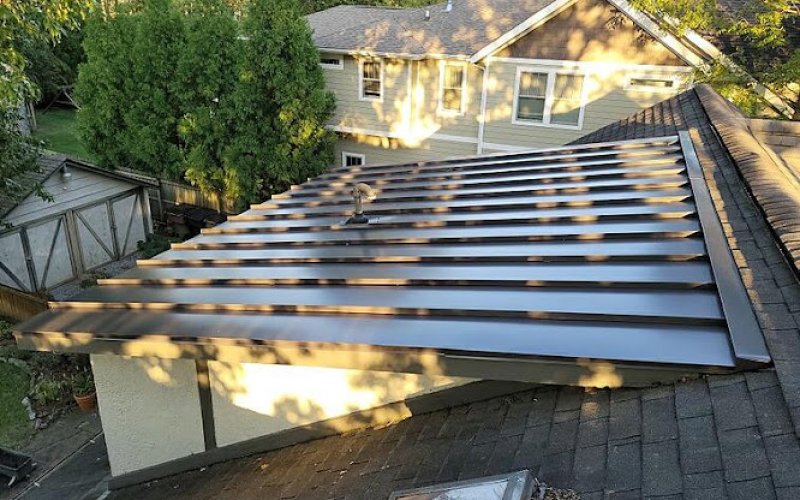
Bill Ragan Roofing Company
Roofing contractor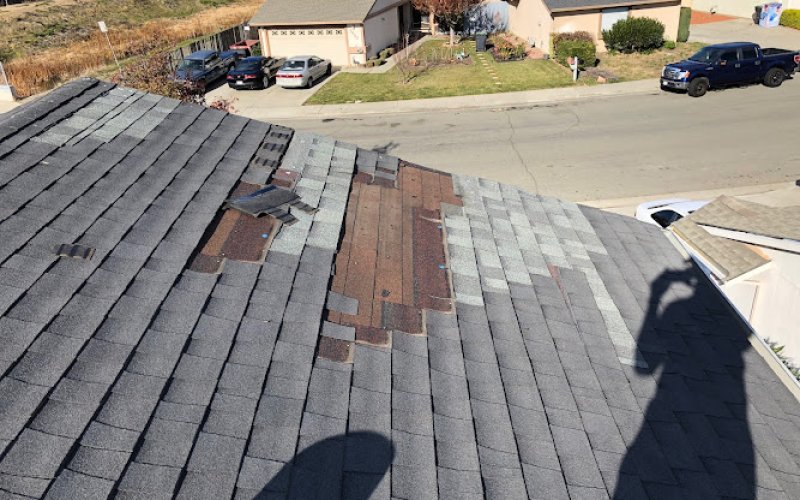
Roof MD
Roofing contractor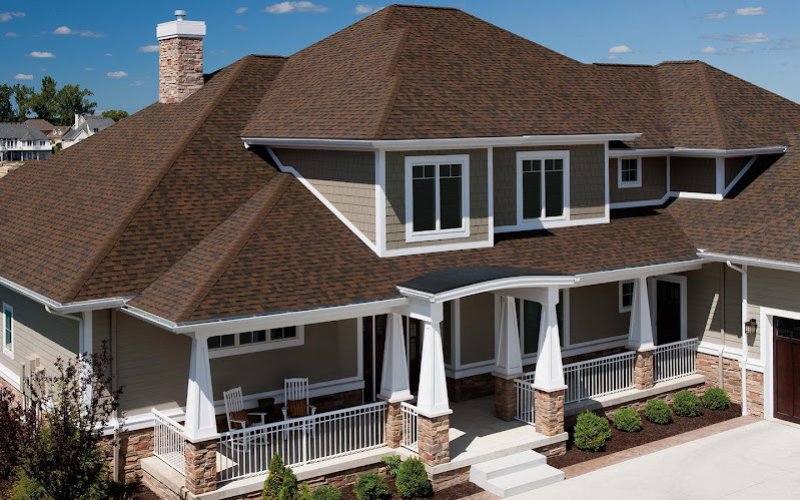
Best Choice Roofing
Roofing contractor
Don Kennedy Roofing
Roofing contractor
Mr. Roof Nashville
Roofing contractor
Music City Roofers
Roofing contractorAbout Roofer in Nashville
Here's a number that'll make you look at your roof twice: Nashville got hit with three separate hailstorms between April and June 2023, and insurance claims data shows roofing permit filings jumped 41% that year compared to 2022. That's not a typo. One storm alone—the one that rolled through Antioch and Donelson in May—generated an estimated $180 million in property damage claims, most of it roofs.
So yeah, the roofing business here isn't some sleepy trade anymore. Davidson County issued roughly 4,200 residential roofing permits in 2023, up from about 2,980 the year before, according to Metro Codes data. And that's just the permitted stuff—old-timers will tell you plenty of smaller repair jobs never see a permit at all. The market's grown alongside the city itself: Nashville's metro population crossed 2.1 million in 2024, adding somewhere around 80-100 people a day depending on whose estimate you trust, and every new subdivision in Spring Hill or Mount Juliet eventually needs a roofer, even if it's ten years down the road.
Customers here split into two camps. You've got the storm-damage crowd—homeowners dealing with insurance claims after wind or hail, usually moving fast because a tarp isn't a long-term solution. Then there's the proactive segment, often newer transplants who bought a 1960s ranch in Berry Hill or Inglewood and are staring down a roof that's original to the house. Average asphalt shingle roof lasts 20-25 years in Middle Tennessee's climate, and a huge chunk of the city's housing stock (built during the 1960s-80s boom) is aging into replacement territory right now. That's why this directory's 10 listed roofers stay busy—demand isn't seasonal hype, it's structural.
East Nashville
- Area Profile: Younger homeowners, median household income around $78,000, lots of renovated bungalows mixed with original 1920s-40s housing stock.
- Roofer Activity: Heavy demand for metal roof upgrades and historic-style shingle matching—East Nashville's got strict aesthetic expectations even without formal historic district rules everywhere.
- Price Range: $9,000-$16,000 for full asphalt replacement on a standard bungalow.
- Local Note: Tree canopy damage is a real issue here—those big oaks on Woodland Street look great until a limb comes down mid-storm.
Belle Meade / Green Hills
- Area Profile: High income, median home values well above $1.2 million, older established residents alongside newer money.
- Roofer Activity: Premium materials dominate—slate, standing seam metal, high-end architectural shingles. Homeowners here aren't shopping on price.
- Price Range: $25,000-$60,000+ isn't unusual for larger homes with complex rooflines.
- Local Note: Contractors report longer lead times here because clients want multiple bids and detailed material samples before signing anything.
Antioch
- Area Profile: More affordable, diverse population, lots of first-time homeowners and rental property investors.
- Roofer Activity: Volume-driven—this is ground zero for storm damage repair work following the 2023 hail events I mentioned earlier.
- Price Range: $7,500-$12,000 typical, often insurance-covered.
- Local Note: Watch for storm-chaser crews that flood the area after big weather events, then vanish. More on that in Section 6.
📊 Current Price Points:
- Budget options: $6,000-$9,500 (basic 3-tab asphalt, smaller homes under 1,800 sq ft)
- Mid-range: $10,000-$18,000 (architectural shingles, most popular segment by far)
- Premium: $22,000+ (metal, slate, or tile roofing on larger or architecturally complex homes)
📈 Market Trends: Demand's up roughly 18% year-over-year heading into 2026, largely storm-driven but also aging-housing-stock driven. Material costs stabilized somewhat after the 2021-2022 lumber and asphalt shingle price spikes, though labor costs keep climbing—skilled roofing crews are hard to find, and wages reflect it. Spring (March-May) remains peak season for storm repair, while late summer sees more proactive replacements. Average project takes 3-7 days for a standard home once materials are on-site, but scheduling backlog during peak months can push start dates out 4-6 weeks. 💰 What People Are Spending:
- Full asphalt shingle replacement — average $13,400
- Storm damage repair (partial) — average $4,200
- Metal roof installation — average $24,000
- Gutter replacement bundled with roof work — average $2,800 add-on
Economic Indicators: Davidson County's population growth sits around 1.5-2% annually, but the broader metro (including Rutherford, Williamson, Wilson counties) grows faster. Major employers—HCA Healthcare, Vanderbilt, the healthcare and tourism sectors broadly—keep household incomes healthy, median around $71,000 for Nashville proper, slightly above the Tennessee state median of about $64,000. New development's everywhere: the Nashville Yards project downtown, continued build-out in Wedgewood-Houston, sprawling new subdivisions off I-840 in Rutherford County.
Local Market Dynamics: Roofing demand here tracks two things—weather events and housing age. Competition's fierce but fragmented; no single company dominates more than maybe 8-10% of the residential market based on permit filing patterns. Insurance-driven work has reshaped how a lot of companies operate, with several building entire business models around claims assistance.
How This Affects Buyers/Customers: Practically, this means you've got leverage as a homeowner right now—lots of companies competing for your business means you should get multiple quotes. I've seen homeowners in Madison get three bids ranging from $8,900 to $14,500 for essentially the same job. That spread is real, and it's why vetting matters (see Section 6).
- ☀️ Spring/Summer: Highest demand, longest wait times—storm season means crews are booked solid, especially April through June.
- 🍂 Fall: Sweet spot. Demand drops, weather's mild, contractors have more flexibility on scheduling and sometimes pricing.
- ❄️ Winter: Slower season overall, but not dead—some contractors offer discounts to fill the schedule, though cold weather can limit certain material installations.
- 📅 Peak months: March-June you're competing for attention. October-November you've got negotiating room.
Timing Tips for Nashville: Best deals typically show up in late fall. Inventory of skilled crews (not materials—crews) peaks in winter when work slows. Nothing like a tax-season convention affects this trade, but hurricane season down south sometimes pulls crews away temporarily since many roofing companies chase storm work regionally.
Smart Timing Tips:
- ✓ Schedule non-emergency replacements in October if you can
- ✓ Get on a contractor's calendar before March if you know you'll need work done
- ✓ Ask about winter discounts—some companies genuinely offer 5-10% off to keep crews working
- ✓ If storm damage hits, document everything immediately, insurance adjusters move fast and so should you
Credentials to Verify: Tennessee requires a state contractor's license for any roofing job over $25,000, issued through the Tennessee Board for Licensing Contractors. For smaller jobs, licensing requirements vary, so always ask. Look for GAF, Owens Corning, or CertainTeed manufacturer certifications too—these often mean better warranties.
Questions to Ask: How long has the company operated specifically in Nashville (not just "we serve the Southeast")? Can they provide three local references from the last six months? Will they put pricing in writing before work starts?
⚠️ Red Flags Specific to Nashville Roofer:
- Door-knockers who show up right after a storm claiming they were "in the neighborhood already"—classic storm-chaser move
- Contractors who ask you to sign before insurance adjuster inspection, essentially locking you in before you know the claim value
- No permanent local address or office—just a truck and a phone number
- Pressure to pay full amount upfront before any work begins
Where to Check Complaints: The Tennessee Board for Licensing Contractors keeps a public complaint database. Check BBB Nashville for pattern complaints, not just star ratings. And read the one and two-star Google reviews specifically—those tell you more about how a company handles problems than the five-star ones do.
✓ Established presence in Nashville (not just passing through)
✓ Verifiable local reviews and references
✓ Transparent pricing, no hidden fees
✓ Clear process explained upfront
✓ Responsive communication
Cost Calculator
Check Reviews & Ratings
We recommend verifying businesses through trusted review platforms before making a decision.
Frequently Asked Questions
Popular Categories in Nashville
Explore Other Cities
🏡 Roofers near Nashville
Professional Categories in Nashville, TN
Related Services from Similar Professionals