Need Roofers in New Orleans? Find Trusted Pros Here
Looking for a solid roofer in New Orleans? You're in the right place — we've rounded up the local pros so you can skip the guesswork and get your roof sorted.
Map of Businesses in New Orleans
All Listings in New Orleans
11 businesses
Big Easy Roofing - New Orleans Roofing & Siding Contractors
Roofing contractor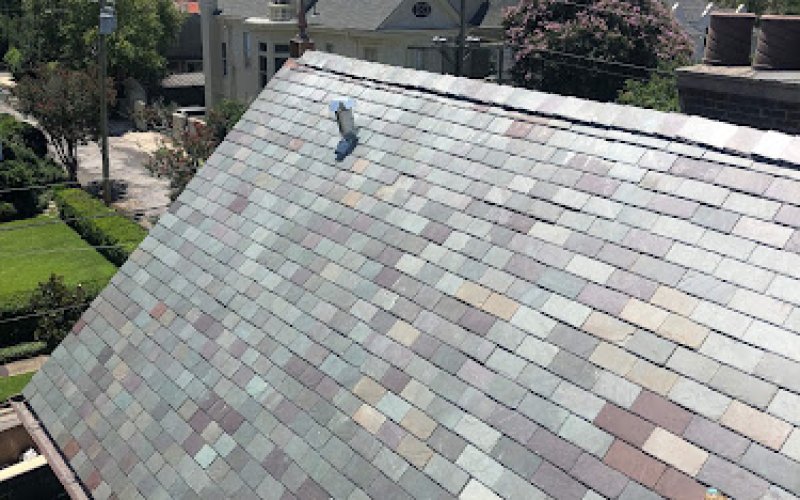
Lapeyre Roofing
Roofing contractor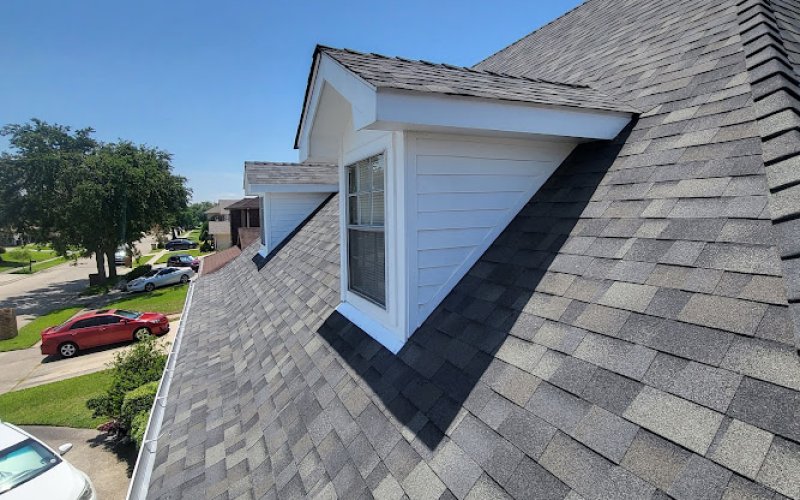
Anything and Everything Roofing
Roofing contractor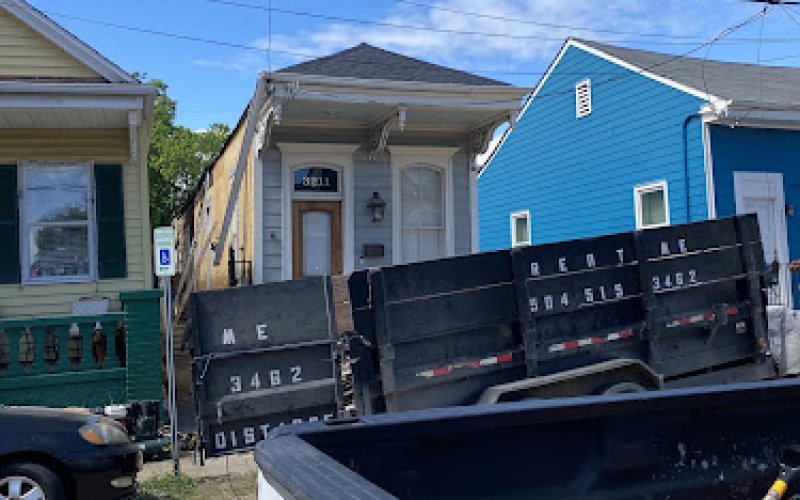
Shifflett Roofing
Roofing contractor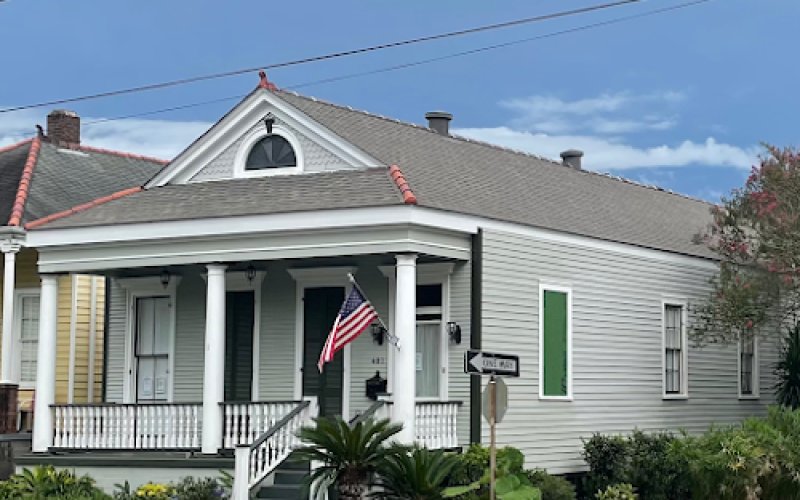
Synergy Roofing
Roofing contractor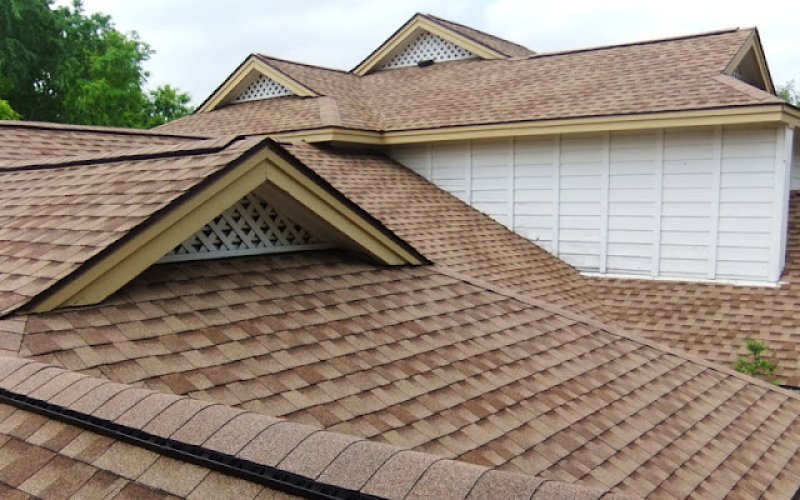
Clayton Construction Service LLC
Roofing contractor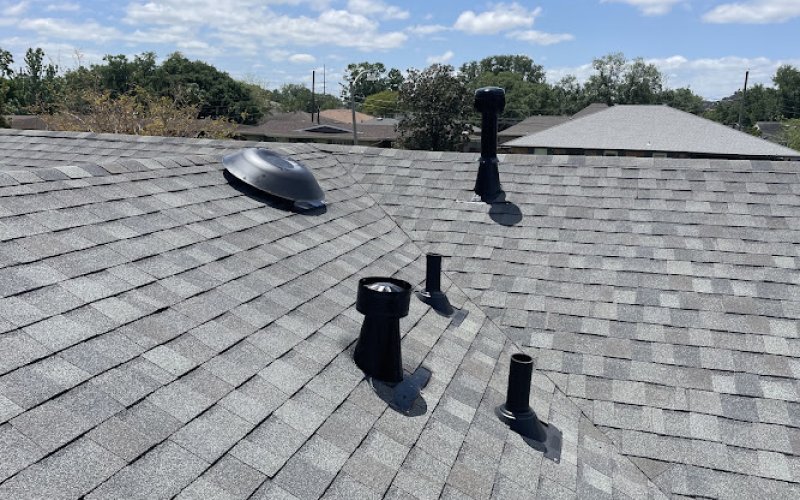
Priority Roofing
Roofing contractor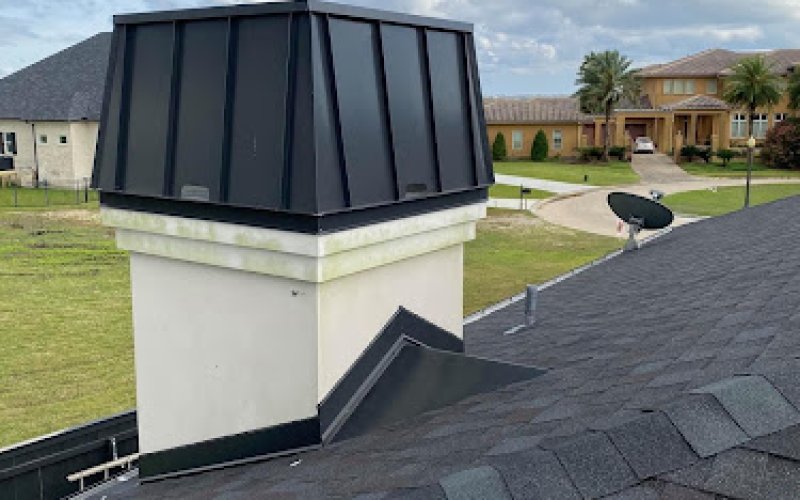
Brennan's Roofing & Renovations Inc
Roofing contractor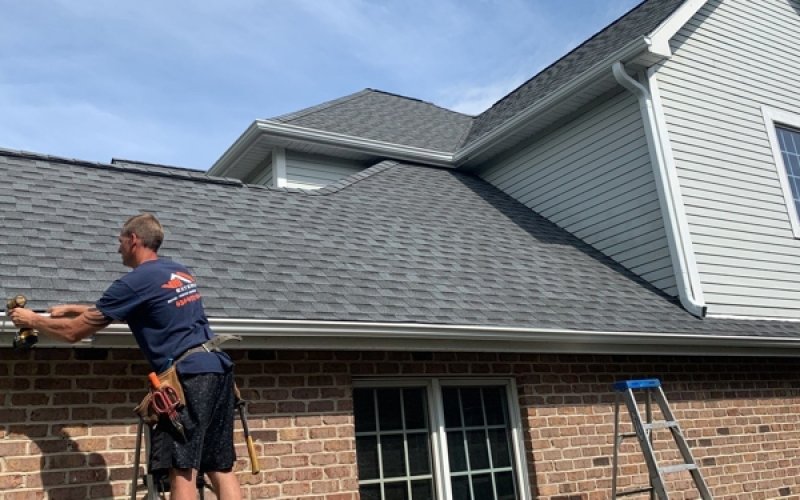
Roofing Repair Orleans
Roofing contractor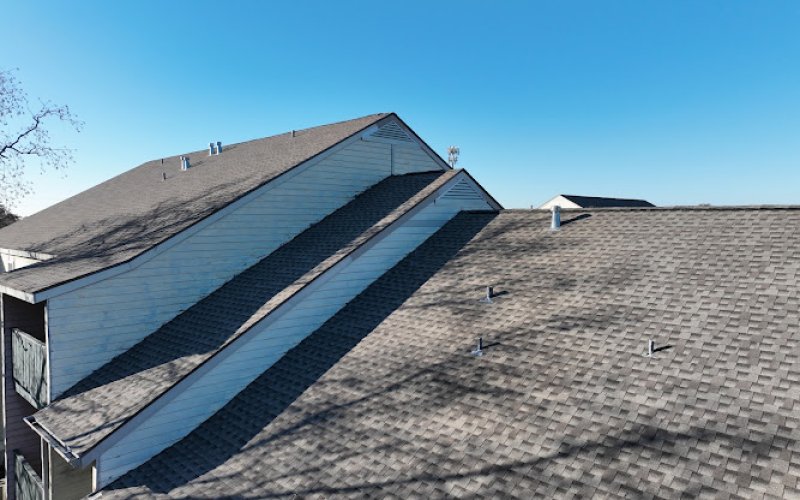
Westbank Roofing | Trusted Roofing Company in Harvey & New Orleans
Roofing contractor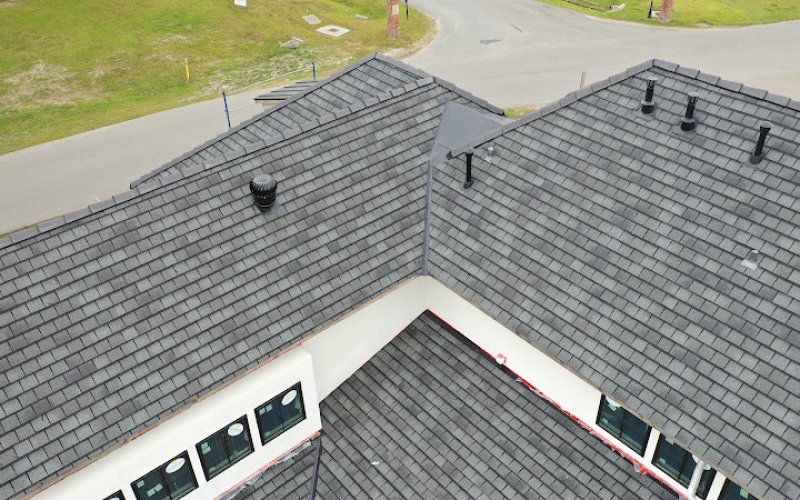
Garcia Roofing - New Orleans
Roofing contractorAbout roofer in New Orleans
A roof in New Orleans doesn't get to age gracefully. Between the hurricane season stretching from June through November, the summer heat that bakes shingles from above, and humidity that never really lets up, roofs here take a beating most other cities just don't deal with. So when people ask why the roofing business feels so busy year-round in this city — that's basically the answer. It's not one big storm every decade. It's constant low-grade wear plus the occasional major event that sends everyone scrambling at once.
The demand side of this market runs on a few predictable engines: storm and wind damage claims, an aging housing stock (a lot of New Orleans homes are 50, 80, even 100+ years old), pre-sale repairs from people trying to close a deal before a buyer's inspector finds a soft spot, and a steady trickle of new construction and additions in the growth corridors. Insurance claim cycles matter a lot here too — after a named storm, you'll see a real surge in roof replacement activity that can last months, sometimes longer depending on how backed up adjusters and permitting offices get.
As for the market itself, it feels fragmented rather than dominated by one or two big players. You've got small owner-operator crews doing repair work and patch jobs, mid-size local companies that have been around long enough to have a real reputation neighborhood by neighborhood, and a handful of larger operations that can mobilize bigger crews after storms. What sets New Orleans apart from, say, a roofing market in Denver or Phoenix is the mix of roof types (steep-slope historic homes, flat commercial roofs, camelback and shotgun house rooflines that don't play by standard rules) plus a permitting and historic-district review process that can add real time to a job in certain areas.
Uptown / Garden District
- Area Profile: Higher-income, historic homes, a lot of long-term owners plus newer buyers renovating older properties.
- Roofers Activity: Slate and metal roof repair/restoration is common here, alongside full re-roofs on aging shingle homes that never got redone after the last big storm.
- Price Range: Tends to run higher than city average — historic material matching and steep, complex rooflines add cost.
- Local Note: Historic district guidelines can affect what materials and colors are even allowed, so permitting takes longer than in newer parts of town.
Mid-City
- Area Profile: A mix of long-time residents and younger families, lots of shotgun and camelback-style homes, moderate income range.
- Roofers Activity: Asphalt shingle re-roofs dominate, plus a fair amount of repair work on older flat sections tacked onto additions.
- Price Range: Middle of the market — this is where a lot of standard full re-roof jobs happen.
- Local Note: Drainage matters a lot in this area given how the neighborhood floods; roofers here often get pulled into gutter and drainage conversations too.
Lakeview
- Area Profile: Rebuilt largely post-Katrina, so housing stock skews newer, family-oriented, solidly middle-to-upper income.
- Roofers Activity: Roofs here are younger on average, so it's more about storm-damage repair and insurance work than full replacement — though the oldest post-rebuild roofs are starting to hit replacement age now.
- Price Range: Comparable to Mid-City, with a bump for higher-end architectural shingle or metal accent roofing that's popular in newer builds.
- Local Note: A lot of homeowners here have been through a major insurance claim before, so they tend to know the drill — but that also means roofers need to be sharp on documentation.
Bywater / Lower Ninth Ward
- Area Profile: Mixed income, a blend of longtime residents, artists, and newer investment buyers renovating older cottages.
- Roofers Activity: Heavy repair demand on older, sometimes deferred-maintenance roofs; also a growing amount of new-build and gut-renovation roofing as investment activity picks up.
- Price Range: Wide spread — budget patch jobs on one end, full renovation-driven re-roofs on the other.
- Local Note: Flood elevation history in this area means roofers sometimes deal with structural quirks that steeper, drier neighborhoods don't have to think about.
📊 Current Price Points:
- Budget options: $300-$1,200 (minor repairs, patch jobs, small leak fixes)
- Mid-range: $8,000-$16,000 (full asphalt shingle re-roof, most popular segment for standard single-family homes)
- Premium: $20,000+ (metal, tile, slate, or complex historic roofing)
📈 Market Trends:
- Demand tends to spike hard right after named storms and stays elevated for months as claims work through the system.
- Material availability has been generally steadier lately, though certain metal and specialty tile products can still see order delays.
- Pricing has been drifting upward gradually, driven more by labor costs and material costs than any single factor.
- Late spring through early fall is prime install season — drier stretches make scheduling easier, though hurricane season overlaps right in the middle of it.
- A standard re-roof typically takes anywhere from a day or two (small home, good weather) up to a week or more once you factor in permitting and weather delays.
💰 What People Are Spending:
- Repair/patch work: $300-$2,000, most common after minor storm damage or routine wear.
- Full asphalt shingle re-roof: $8,000-$16,000, the most requested job type citywide.
- Metal or standing-seam roofing: $15,000-$30,000+, growing in popularity for its wind resistance.
- Gutter repair/replacement bundled with roof work: $1,000-$4,000 additional.
Economic Indicators: New Orleans' population has been relatively flat to modestly growing in recent years, with pockets of real growth in areas seeing new residential development. Tourism, the Port of New Orleans, healthcare, and energy-sector employers remain major economic anchors. Housing stock is old on average compared to national norms, which by itself keeps roofing demand steady regardless of storm activity.
Local Market Dynamics: Storm and hail damage is the single biggest driver of urgent roofing demand, but the aging housing stock creates a constant baseline of replacement work even in quiet weather years. The competitive landscape feels fragmented — plenty of small and mid-size local crews, a few larger regional players, and a rotating cast of out-of-town crews that show up after major storms and then disappear. Material costs have been a moving target in recent years, which has pushed some contractors to lock in supplier relationships rather than shop job-by-job.
How This Affects Buyers/Customers: If you're calling around in September after a storm rolled through, expect longer wait times and less price flexibility — crews are stacked. Calling in February or March, on the other hand, often means more attention, more competitive bidding, and a contractor who actually has time to walk your roof properly before quoting.
New Orleans Seasonal Patterns:
- ☀️ Spring/Summer: Peak install season and often peak storm-repair season simultaneously — book early.
- 🍂 Fall: A good window once hurricane season winds down, often the last real stretch of predictable weather before winter fronts start rolling through.
- ❄️ Winter: Slower season overall, occasional cold fronts can delay work, but this is often when you'll get more attentive service and sometimes better pricing.
- 📅 Peak months: Right after a major storm event, expect tight availability and less room to negotiate — plan ahead if you can.
Timing Tips for New Orleans: Late winter into early spring tends to be the best window for non-urgent work. Crew availability tightens fast after hurricane season activity, sometimes for months. Permitting backlogs can stack up after a busy storm season too, so factor that into any timeline expectations.
Smart Timing Tips:
- ✓ Get on a contractor's schedule before hurricane season starts if your roof is already showing wear.
- ✓ Don't wait until a leak becomes a ceiling problem — small repairs are cheaper and faster to schedule.
- ✓ If you can wait, off-peak season (winter/early spring) often means better attention and pricing.
- ✓ Get multiple quotes before a storm hits your area, not after, when urgency kills your leverage.
Credentials to Verify: Look for a valid Louisiana state contractor license, which is required for residential jobs above a certain dollar threshold. Manufacturer certifications like GAF Master Elite or Owens Corning Preferred Contractor are a solid signal of ongoing training and accountability. Membership in local or regional trade associations doesn't hurt either. Reputation-wise, check for a consistent pattern of reviews across multiple platforms, not just one glowing set.
Questions to Ask: How long has the company actually operated in New Orleans specifically? Can they provide references from jobs in your neighborhood? Are pricing, materials, and warranty terms (workmanship warranty vs. manufacturer warranty) laid out clearly in writing before any work starts?
⚠️ Red Flags Specific to New Orleans Roofers:
- Storm-chaser door-knockers offering "storm damage specials" right after severe weather — a well-known seasonal scam pattern in this industry.
- Demanding full payment upfront before any work starts.
- No permanent local address or only a P.O. box.
- Pressuring you to sign an insurance-claim assignment before an adjuster has even inspected the roof.
Where to Check Complaints: The Louisiana State Licensing Board for Contractors is the place to verify license status and check for disciplinary history. The Better Business Bureau is another useful check. On Google and Yelp, look less at the star average and more at the pattern — repeated mentions of missed appointments or unfinished work matter more than one bad review.
✓ Established presence in New Orleans (not just passing through)
✓ Verifiable local reviews and references
✓ Transparent pricing, no hidden fees
✓ Clear process explained upfront
✓ Responsive communication
Check Reviews & Ratings
We recommend verifying businesses through trusted review platforms before making a decision.
Frequently Asked Questions
Popular Categories in New Orleans
Explore Other Cities
🏡 Roofers near New Orleans
Professional Categories in New Orleans, LA
Related Services from Similar Professionals