Trusted, Top-Rated Roofers in Denver, CO
Looking for a solid roofer in Denver? You're in the right spot—we've rounded up the best local pros so you can skip the guesswork and get your roof sorted.
Map of Businesses in Denver
All Listings in Denver
15 businesses
Lifetime Roof & Solar - Denver
Roofing contractor
Core Roofing Systems
Roofing contractor
Denver Roofers LLC
Roofing contractor
Elite Roofing & Solar
Roofing contractor
Excel Roofing - Denver
Roofing contractor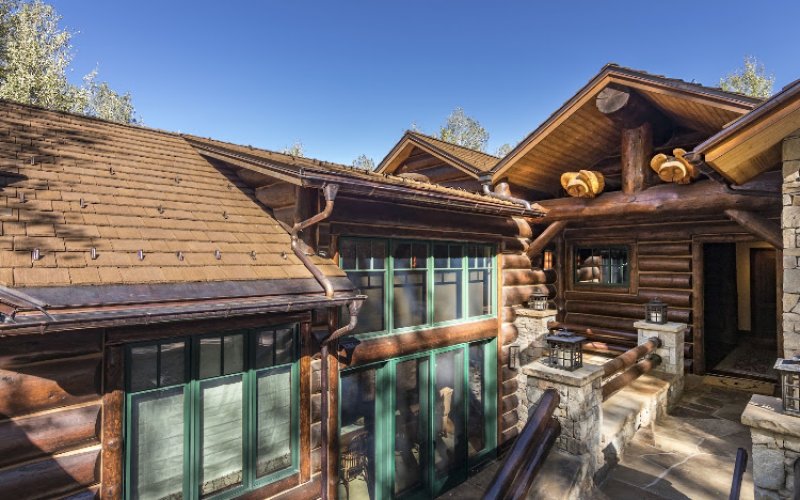
Horn Brothers Roofing
Roofing contractor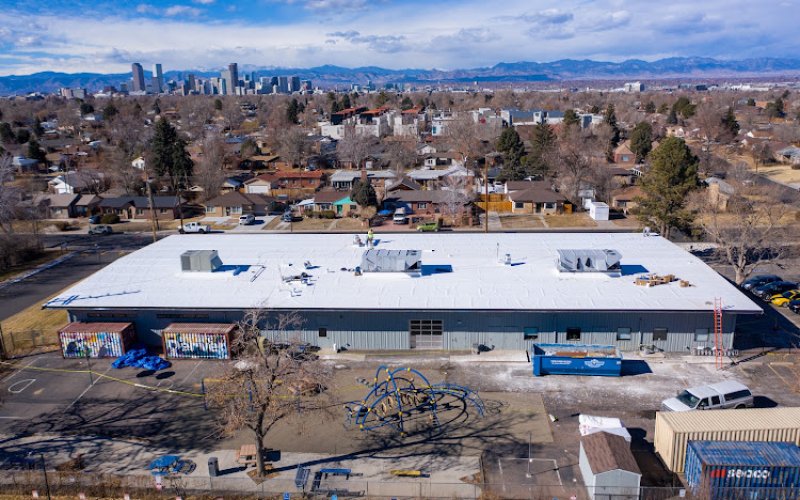
Integrity Pro Roofing | Denver Commercial Roofing
Roofing contractor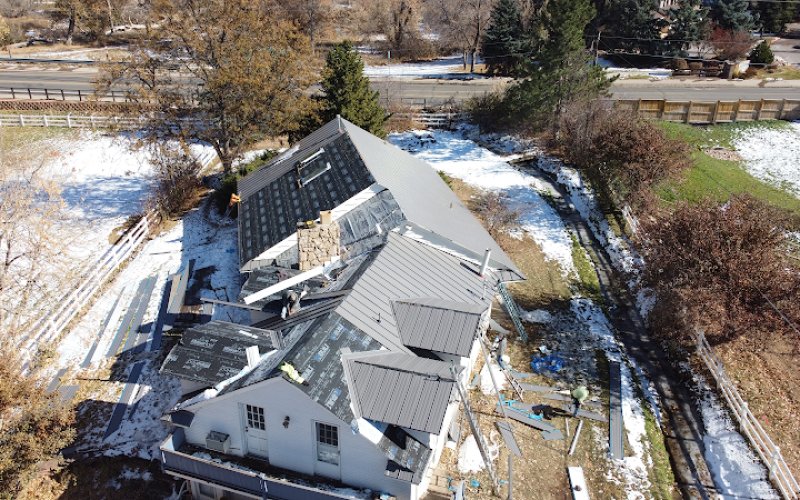
New Roof Plus
Roofing contractor
Peak To Peak Roofing & Exteriors, LLC
Roofing contractor
Sol Vista Roofing
Roofing contractor
Formula Roofing and Remodeling
Roofing contractor
Mighty Dog Roofing of Downtown Denver
Roofing contractor
A-Denver Roofing
Roofing contractor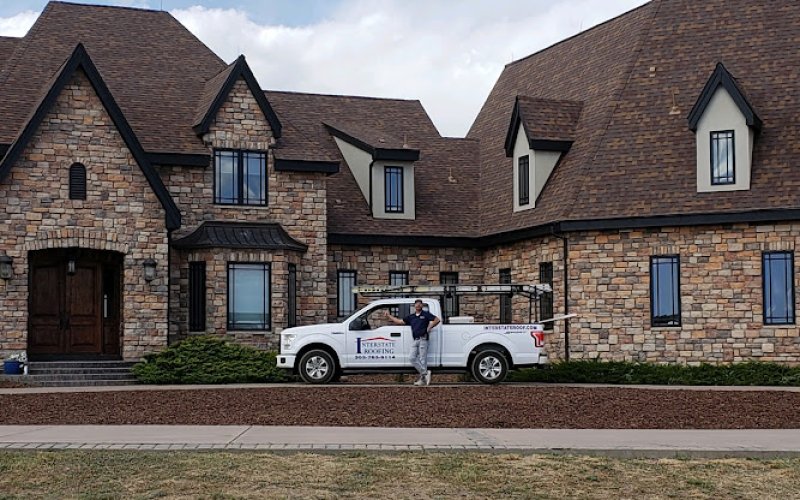
Interstate Roofing, Inc.
Roofing contractor
Premier Roofing Company
Roofing contractorAbout roofer in Denver
Denver sits in one of the hail-iest corridors in the country, and your roof knows it. The Front Range gets fast-building afternoon thunderstorms where ice stones can chew up shingles in ten minutes. Then comes the high-altitude sun, which bakes whatever's left. A roof here doesn't age the way it does in a mild climate. It ages faster.
That shapes everything about the local Roofers market. Demand is steady in the background and spikes hard after a bad storm. Aging housing stock does a lot of the quiet work: think post-war brick ranches, Denver Squares, and bungalows with a second or third layer of shingles. Insurance claims drive a big share of full replacements. Homeowners, pre-listing sellers, new-construction builders, and commercial owners with flat or low-slope roofs all compete for the same crews.
The market feels crowded and fragmented. Established family-run outfits sit next to larger regional installers, and then there's the seasonal wave of out-of-state crews that show up after hail. This directory lists 15 businesses, which is a useful starting point, not the whole field.
What sets Denver apart? Class 4 impact-resistant shingles are a real conversation here. So are cosmetic-damage exclusions on metal roofs, and city-level permitting instead of one clean statewide system.
📍 Washington Park
- Area Profile: Affluent, walkable, and heavy on renovated bungalows, Denver Squares, and big teardown-rebuilds.
- Roofers Activity: Full re-roofs, premium material upgrades, and detail work on dormers and porches.
- Price Range: Often $14,000–$35,000+ depending on size and material.
- Local Note: Tight lots and mature trees complicate staging and debris. Ask how the crew protects landscaping.
📍 Highland (LoHi and Sloan's Lake edges)
- Area Profile: Younger professionals, lots of infill, and a mix of Victorians and modern rowhomes.
- Roofers Activity: Low-slope and flat membrane work on newer townhomes, plus shingle jobs on older single-family homes.
- Price Range: Roughly $8,000–$25,000, with flat-roof sections priced differently from pitched ones.
- Local Note: Parts of the Highlands fall under historic design review. Check before you pick a material or color.
📍 Central Park (formerly Stapleton)
- Area Profile: Planned community, families, and newer construction with consistent architecture.
- Roofers Activity: Hail-driven replacements, mostly asphalt shingle, often through insurance.
- Price Range: Commonly $10,000–$22,000 for a standard home.
- Local Note: HOA architectural review can dictate shingle style and color. Get approval in writing before ordering materials.
📊 Current Price Points:
- Budget options: roughly $300–$1,800 (minor repairs, flashing fixes, patch jobs)
- Mid-range: roughly $9,000–$22,000 (full asphalt shingle re-roof, the most popular segment)
- Premium: $25,000–$60,000+ (metal, tile, slate, or very large and complex roofs)
📈 Market Trends:
- → Demand: seasonal and storm-driven. Quiet stretches, then sudden floods of calls.
- → Materials and labor: generally available, though specialty products and experienced crews can tighten after a big hail event.
- → Pricing: leaning upward over time, as labor and material costs tend to.
- → Seasonality: spring and summer are storm season. Fall is a popular last-chance window. Freeze-thaw cycles in winter punish weak spots.
- → Job length: a typical single-family re-roof often runs one to three days of work, though scheduling can stretch the start date by weeks.
💰 What People Are Spending:
- Leak and flashing repairs: typically a few hundred to the low thousands
- Full asphalt shingle replacement: often $9,000–$22,000
- Gutter and downspout replacement alongside a re-roof: commonly $1,500–$5,000
- Impact-resistant (Class 4) shingle upgrade: usually a moderate premium over standard shingles
- Metal or tile installs: $25,000 and up
Economic Indicators:
- The metro has grown for years, with ongoing housing demand even as pace shifts.
- Major sectors include aerospace, healthcare, tech, finance, and state and federal government.
- New residential growth pushes outward toward the east and north edges, while infill reshapes older neighborhoods.
- Incomes skew higher than many comparable metros, though home values stretch many owners' budgets.
Local Market Dynamics:
Hail drives the cycle. Insurance claims drive a lot of the money. Competition is fragmented. A few larger firms advertise heavily, while small local operators win on referrals. Material costs have bounced around in recent years, and homeowners have felt it in quotes.
How This Affects You:
If your roof is 15–20 years old, you're in the zone where an inspection is smart, even without a storm. After hail, expect a rush of door-knockers and a wait for good crews. Insurance may cover much of a replacement, but your deductible is your responsibility. Colorado rules limit contractors from absorbing or waiving it, so a "we'll cover your deductible" pitch is a warning sign.
Denver Seasonal Patterns:
- ☀️ Spring/Summer: Peak install season and the main hail window. Busy schedules, fast-moving quotes.
- 🍂 Fall: Strong demand as owners race the first snow. Some crews open up once the storm rush eases.
- ❄️ Winter: Slower, with installs dependent on dry, workable days. Repairs and inspections still happen. Some owners find better scheduling flexibility.
- 📅 Peak months: Act quickly right after storms. Negotiate in slower stretches.
Timing Tips for Denver:
- The best deal window is usually off-peak, late fall into winter, or early spring before storms.
- Crew availability tightens right after major hail.
- Permit processing and insurance adjuster timelines can add days or weeks.
- From first call to finished roof, plan on anywhere from a couple of weeks to a couple of months.
Smart Timing Tips:
- ✓ Get an inspection and photos before storm season so you have a baseline.
- ✓ File insurance claims promptly after hail. Policies have deadlines.
- ✓ Book early for fall installs.
- ✓ Don't sign anything the day a storm hits.
Credentials to Verify:
- Colorado doesn't have a single statewide roofing license, so licensing and registration are handled locally. Check the City and County of Denver's contractor licensing requirements through Community Planning and Development, and confirm current rules directly.
- Manufacturer certifications like GAF Master Elite or Owens Corning Preferred Contractor signal training and warranty access.
- Look for proof of liability insurance and workers' compensation coverage.
- Industry memberships, such as a regional roofing association, can be a plus but aren't proof of quality.
Questions to Ask:
- How long have you operated in Denver?
- Can I contact recent local customers?
- What's covered by your workmanship warranty versus the manufacturer's?
⚠️ Red Flags Specific to Denver Roofers:
- Storm-chaser door-knockers offering "storm damage specials" right after severe weather
- Demanding full payment upfront before any work starts
- No permanent local address, or only a P.O. box
- Pressuring you to sign an insurance-claim assignment before an adjuster has inspected the roof
Where to Check Complaints:
- Denver's contractor licensing office, for license status
- Colorado Attorney General's consumer protection office
- BBB
- Google and Yelp: look for patterns over several years, not just star averages
✓ Established presence in Denver, not just passing through
✓ Verifiable local reviews and references
✓ Transparent pricing, no hidden fees
✓ Clear process explained upfront
✓ Responsive communication
No written contract or vague scope of work
Offers to waive or cover your insurance deductible
Can't show proof of insurance
Pushes you to decide immediately
Check Reviews & Ratings
We recommend verifying businesses through trusted review platforms before making a decision.
Frequently Asked Questions
Popular Categories in Denver
Explore Other Cities
🏡 Roofers near Denver
Professional Categories in Denver, CO
Related Services from Similar Professionals