Local Roofers Serving Pittsburgh, PA
Looking for a solid roofer in Pittsburgh? You've come to the right place — we've rounded up local pros who actually know how to handle our brutal weather and steep-pitched roofs.
Planning a new roof installation?
Talk to a local roofing pro about roof installation and replacement. Advertisement
Map of Businesses in Pittsburgh
All Listings in Pittsburgh
13 businesses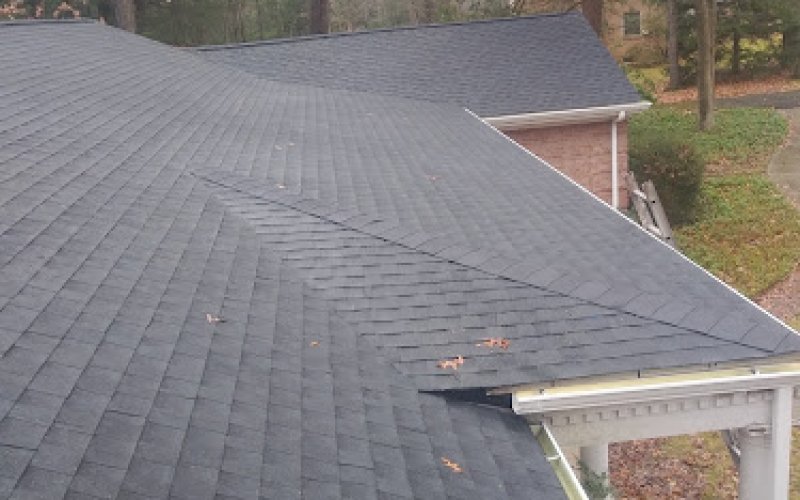
AA Roofing
Roofing contractor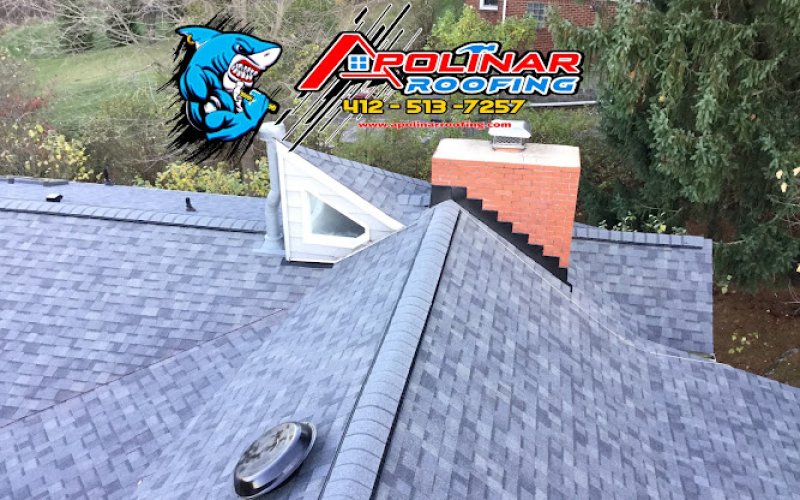
Apolinar Roofing
Roofing contractor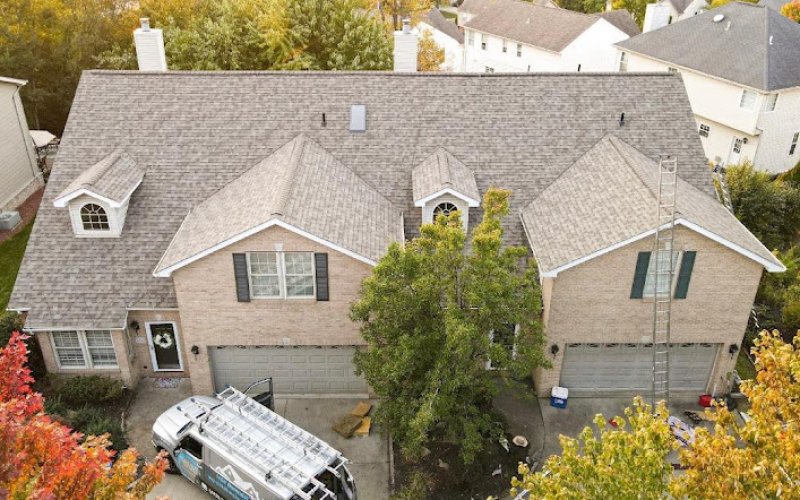
MY Pittsburgh Roofing
Roofing contractor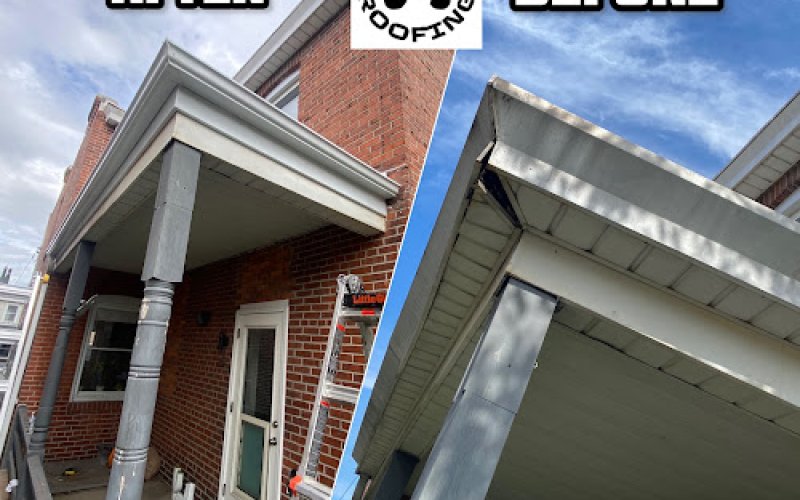
Rabbit Roofing LLC
Roofing contractor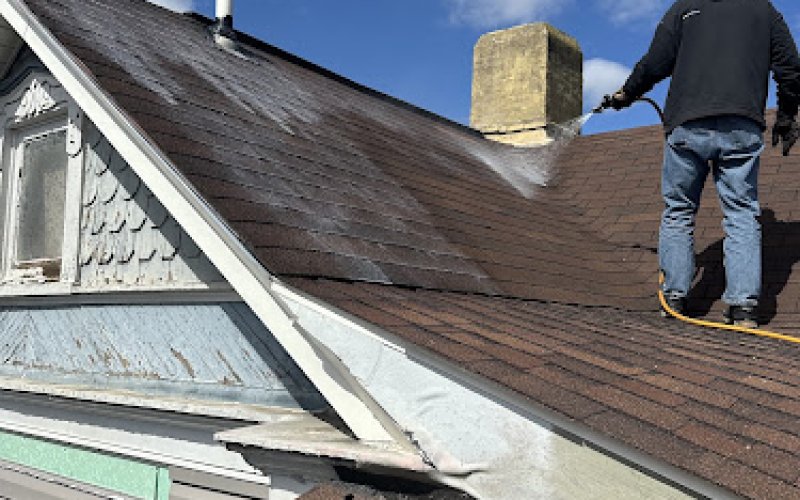
Roof Maxx of Pittsburgh
Roofing contractor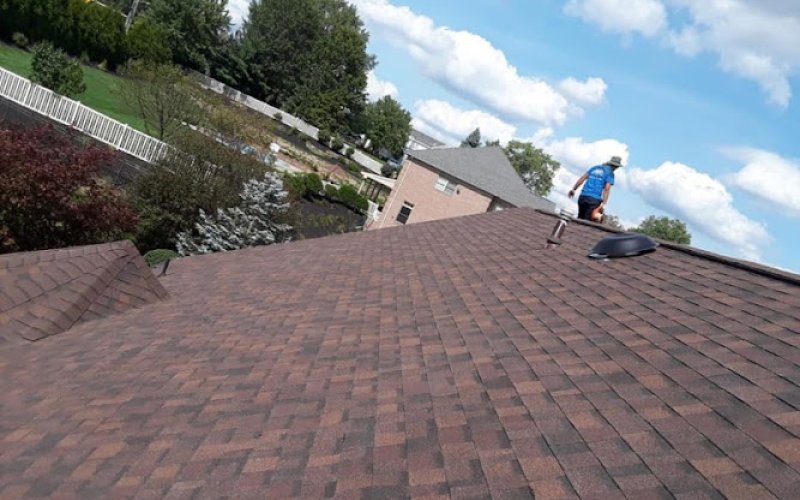
Always Perfect Contracting Inc
Roofing contractor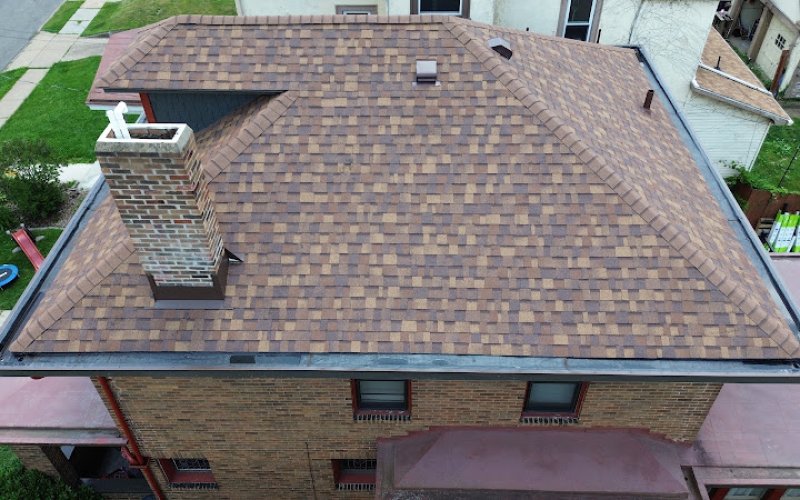
Bronson Roofing
Roofing contractor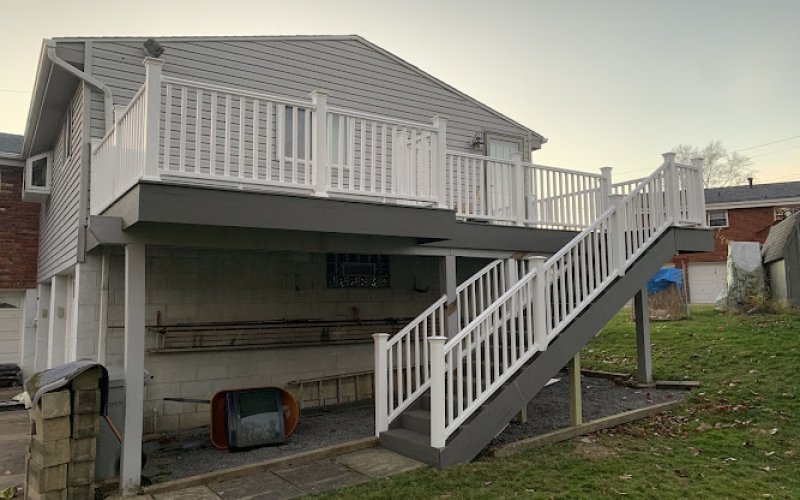
Cousins Roofing Siding & Decks
Roofing contractor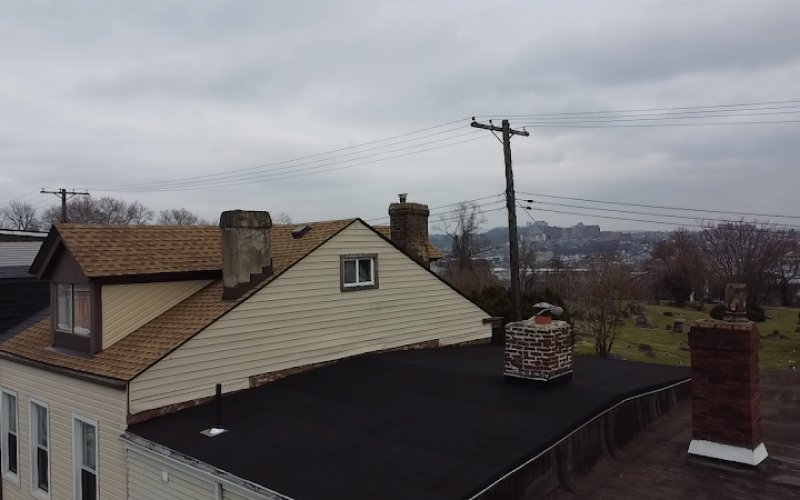
Malick Brothers Exteriors LLC
Roofing contractor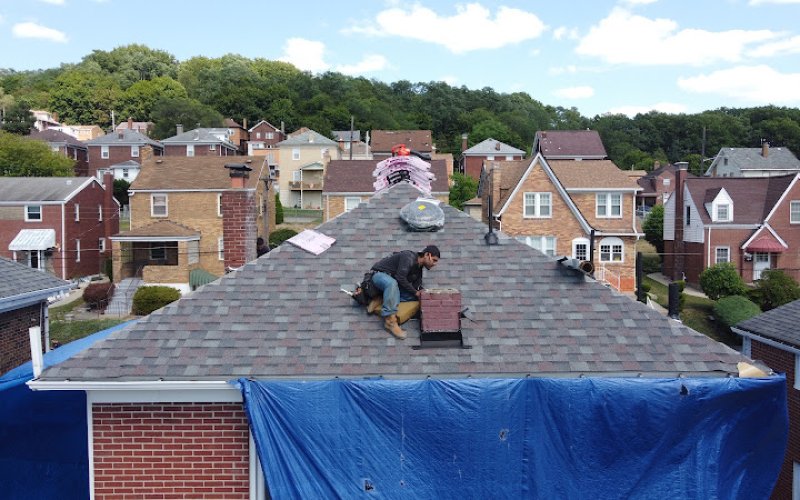
Pittsabana Roofing
Roofing contractor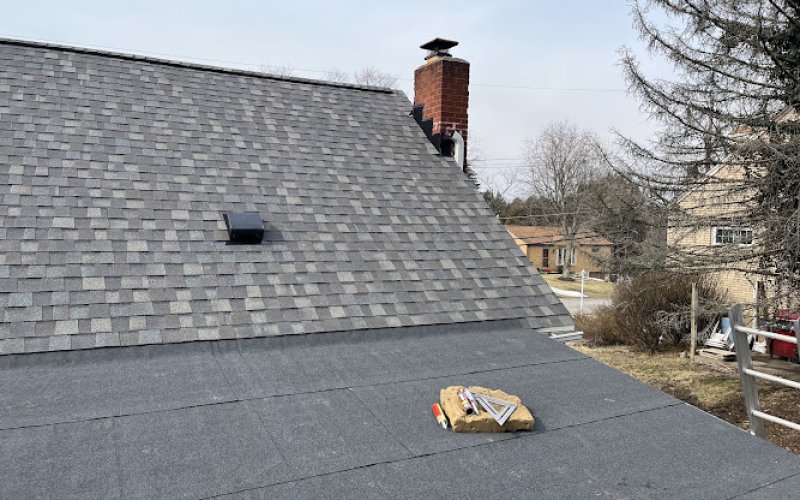
EAS Roofing
Roofing contractor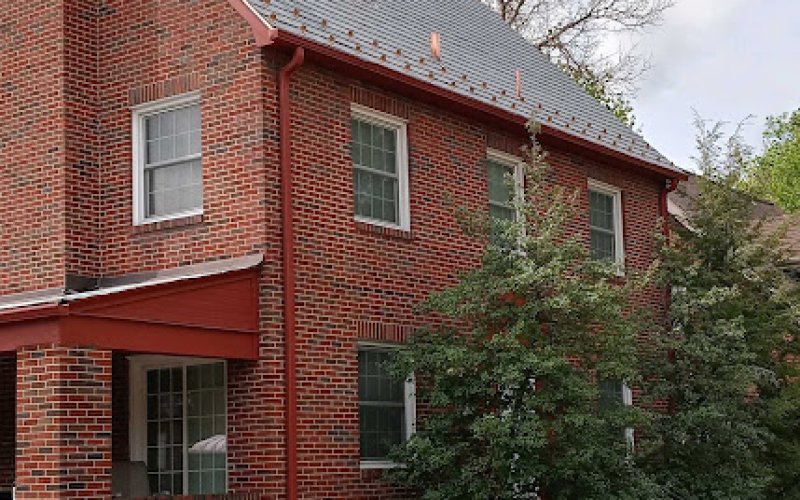
RickJohn Roofing
Roofing contractor
CR3 American Exteriors
Roofing contractorCR3 American Exteriors provides dependable storm damage restoration and insurance claim support for Jeannette, PA property owners.
About roofer in Pittsburgh
Here's a fun fact about this city: the roof that survives a brutal January polar vortex might still fail from the freeze-thaw cycle that follows in March. Pittsburgh doesn't just get bad weather—it gets weather that changes its mind every few days, and that back-and-forth between freezing and thawing is what actually chews through shingles, flashing, and old slate. So the roofing business here isn't really driven by one big storm event like you'd see in a hurricane market. It's driven by attrition.
The housing stock plays a huge role too. Neighborhoods like Squirrel Hill, Bloomfield, and parts of the North Side are full of century-old homes with roof lines that have been patched, re-patched, and patched again by whoever owned the place in 1987. That aging inventory keeps repair work steady year-round, while re-roofing demand tends to cluster after a rough winter or a hailstorm rolls through the eastern suburbs. Add in a decent amount of new construction happening in places like the South Side Works area or infill lots in Lawrenceville, and you get a market with a mix of repair, replacement, and ground-up install work all happening at once.
This isn't a market dominated by two or three big players — it feels fragmented, the way most residential trades do in a city built on distinct neighborhoods rather than sprawling subdivisions. You've got small crews who've worked the same zip codes for decades, a handful of larger regional outfits that advertise on TV, and everything in between. Customers tend to fall into a few buckets: homeowners dealing with an active leak, sellers doing pre-listing repairs before putting a house on the market in a competitive area, and commercial property owners managing flat roofs on older buildings downtown or in Oakland. Steep-slope asphalt shingle is still the default here, but slate and standing-seam metal show up more than you'd expect, especially on the older housing stock in the East End.
═══════════════════════════════════════════
Squirrel Hill
- Area Profile: Established, higher-income, lots of long-tenured homeowners in early-to-mid-1900s houses.
- Roofers Activity: Full re-roofs and slate repair/replacement are common — a lot of these homes still have original slate or clay tile that owners are trying to preserve rather than rip out.
- Price Range: Mid-to-premium, given the age and material complexity involved.
- Local Note: Slate specialists are in real demand here — not every roofing company wants to touch it, so ask upfront if a contractor has actual slate experience.
Lawrenceville
- Area Profile: Younger, more transient population mixed with longtime residents; a fair amount of renovation and flipping activity.
- Roofers Activity: Mix of full tear-offs on older row houses and smaller patch jobs for landlords managing rental units.
- Price Range: Runs the gamut — budget patch work alongside full re-roofs tied to renovation projects.
- Local Note: Row house roofs share walls and sometimes drainage systems with neighbors, so coordination with adjacent property owners can slow permitting down a bit.
Mt. Lebanon / South Hills
- Area Profile: Suburban, family-oriented, generally solid middle-to-upper-middle income.
- Roofers Activity: Asphalt shingle re-roofs dominate, often triggered by hail damage claims after spring storms.
- Price Range: Solidly mid-range, typical for full shingle replacement on a standard suburban footprint.
- Local Note: Insurance-driven work is common out here — contractors who know how to work with adjusters tend to get repeat referrals.
Downtown / Strip District (Commercial)
- Area Profile: Mixed commercial and converted-loft residential, older brick buildings with flat or low-slope roofs.
- Roofers Activity: TPO and EPDM flat roof installs and repairs, plus routine maintenance contracts.
- Price Range: Commercial jobs scale wildly depending on square footage — smaller flat-roof repairs can be modest, full commercial replacements get expensive fast.
- Local Note: Older buildings often need structural assessment before any roof work — additional cost that catches building owners off guard.
📊 Current Price Points:
- Budget options: $300–$1,200 (minor repairs, patch jobs, flashing fixes)
- Mid-range: $8,000–$16,000 (full asphalt shingle re-roof, the most common job by far)
- Premium: $20,000+ (standing-seam metal, slate restoration, tile roofing)
📈 Market Trends:
- Demand tends to spike after severe spring and summer storms, then settles into steady repair-and-maintenance work the rest of the year.
- Material availability has generally stabilized compared to the supply chain chaos of a few years back, though certain specialty products (specific metal panel colors, slate matching original tiles) can still mean longer lead times.
- Labor remains tight — experienced crews are booked out further than they used to be, especially the ones with strong reputations.
- Pricing has crept upward gradually, tracking general material and labor cost trends rather than any single dramatic jump.
- Freeze-thaw cycles in late winter often reveal damage that doesn't get addressed until spring, creating a natural surge once temperatures stabilize.
- A typical full re-roof, once scheduled, usually takes one to three days for a standard house — longer for slate, tile, or complicated roof lines.
💰 What People Are Spending:
- Minor repairs and leak fixes: $250–$1,500
- Full asphalt shingle re-roof: $8,000–$16,000
- Metal or standing-seam roofing: $15,000–$30,000+
- Gutter replacement/repair paired with roof work: $1,000–$4,000 additional
═══════════════════════════════════════════
Economic Indicators: Pittsburgh's population has been roughly flat to slightly declining for years in the city proper, while surrounding suburbs and some East End neighborhoods have seen renewed investment and renovation activity. The economy leans heavily on healthcare, education (UPMC, University of Pittsburgh, Carnegie Mellon), and a growing tech and robotics sector, which brings in higher-income transplants renovating older housing stock rather than a wave of brand-new subdivisions. Income levels vary widely by neighborhood — Shadyside and Fox Chapel skew well above the city average, while parts of the North Side and Hill District skew lower, and that gap shows up directly in what kind of roofing work gets prioritized.
Local Market Dynamics: Demand here is driven less by any single catastrophic event and more by the slow grind of an aging roof inventory combined with unpredictable weather. Insurance claim cycles matter a lot — after a hail event in the South Hills or eastern suburbs, you'll see a temporary surge in adjuster-driven re-roofs. Competition is fragmented: plenty of small, neighborhood-based crews compete alongside a few larger regional companies with bigger marketing budgets. Material costs have leveled off somewhat but haven't dropped back to pre-pandemic levels, which keeps overall pricing a bit elevated compared to several years ago.
How This Affects Buyers/Customers: If your roof fails right after a big storm rolls through the region, expect longer wait times for an estimate — every reputable crew in town is suddenly slammed. Homeowners doing pre-listing repairs in hot markets like Lawrenceville or Highland Park should book early, since timelines can stretch during peak season. And anyone filing an insurance claim should know that contractors experienced with local adjusters tend to move the process along faster than ones who aren't.
═══════════════════════════════════════════
- ☀️ Spring/Summer: Peak season — good weather for installs, but also peak demand following spring storms. Book early.
- 🍂 Fall: Often the sweet spot — crews are still working efficiently, weather's cooperative, and it's the last real window before winter locks things down.
- ❄️ Winter: Slower for full installs (some materials can't be applied properly below certain temps), but a good time to negotiate pricing on repairs since crews have more open schedule.
- 📅 Peak months: Late spring through midsummer — act fast if you need work done then. Fall and early winter are better for negotiating.
Timing Tips for Pittsburgh: The right deals tend to show up in the off-season lull — think October through early December, before winter fully sets in but after the storm-driven summer rush has died down. Crew availability tightens dramatically right after any major hail or wind event, so if you're not in a rush, waiting a few weeks post-storm can mean better pricing and less crowded schedules. Permitting can also add time depending on the municipality — Pittsburgh proper versus surrounding boroughs like Mt. Lebanon or Bellevue each have their own review timelines.
Smart Timing Tips:
- ✓ Schedule non-emergency repairs in early fall for better crew availability
- ✓ Get multiple estimates before the post-storm rush hits, if your roof already shows warning signs
- ✓ Ask about weather contingency plans — Pittsburgh's freeze-thaw swings can delay installs unexpectedly
- ✓ If chasing an insurance claim, get an adjuster inspection scheduled before committing to any contractor
═══════════════════════════════════════════
Credentials to Verify: Pennsylvania requires home improvement contractors to register with the state (Home Improvement Consumer Protection Act registration through the PA Attorney General's office) — ask for that registration number and verify it. Beyond that, look for manufacturer certifications like GAF Master Elite or Owens Corning Preferred Contractor status, which usually indicate a track record of quality installs and better warranty backing. Membership in trade groups like the National Roofing Contractors Association is a decent signal too, though not a guarantee on its own.
Questions to Ask:
- How long have you actually worked in the Pittsburgh area, not just "in business" somewhere else?
- Can you provide references from jobs done in my neighborhood or a similar one?
- What's covered under workmanship warranty versus manufacturer warranty, and for how long?
⚠️ Red Flags Specific to Pittsburgh Roofers:
- Storm-chaser door-knockers offering "storm damage specials" right after severe weather — a well-known seasonal pattern that pops up after any significant hail event in the region.
- Demanding full payment upfront before any work starts.
- No permanent local address or only a P.O. box listed.
- Pressuring you to sign an insurance-claim assignment before an adjuster has even inspected the roof.
Where to Check Complaints: Start with the Better Business Bureau for a complaint history, then cross-reference Google and Yelp reviews — pay attention to how a company responds to negative reviews, not just the star rating. A pattern of unresolved complaints about missed timelines or unfinished work is a bigger warning sign than one bad review.
═══════════════════════════════════════════
✓ Established presence in Pittsburgh (not just passing through after a storm)
✓ Verifiable local reviews and references you can actually call
✓ Transparent pricing, no vague "we'll figure it out once we start" answers
✓ Clear process explained upfront, including what happens if weather delays the job
✓ Responsive communication from the first phone call, not just during the sales pitch
No proof of PA registration or insurance
Refusal to put pricing and scope of work in writing
High-pressure sales tactics tied to a "limited time" storm discount
No verifiable local address or physical business presence
Check Reviews & Ratings
We recommend verifying businesses through trusted review platforms before making a decision.
Frequently Asked Questions
Popular Categories in Pittsburgh
Explore Other Cities
🏡 Roofers near Pittsburgh
Professional Categories in Pittsburgh, PA
Related Services from Similar Professionals