Trusted, Reliable Roofers in Honolulu, HI
Aloha and welcome! Whether your roof's got a leak, needs a full replace, or you're just shopping around, we've rounded up Honolulu's right roofers so you don't have to dig through a million reviews yourself. Take a look around, find someone who fits your vibe and budget, and get that roof sorted before the next rainy season sneaks up on you.
Planning a new roof installation?
Talk to a local roofing pro about roof installation and replacement. Advertisement
Map of Businesses in Honolulu
All Listings in Honolulu
15 businesses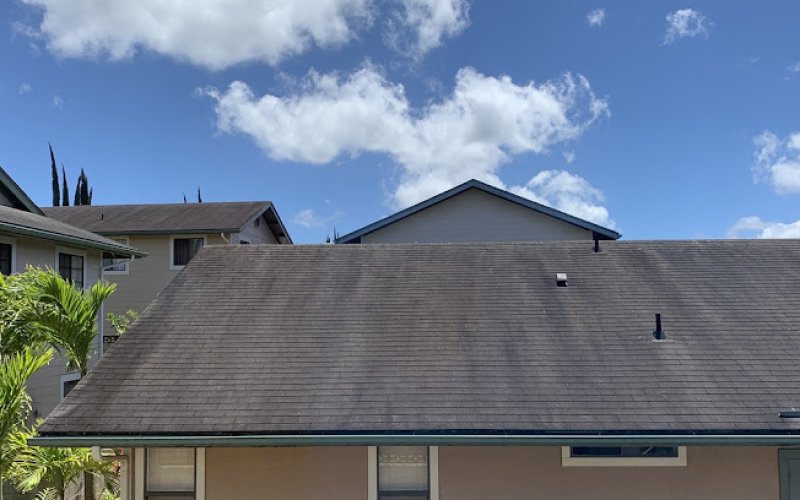
Elite Roofing Honolulu
Roofing contractor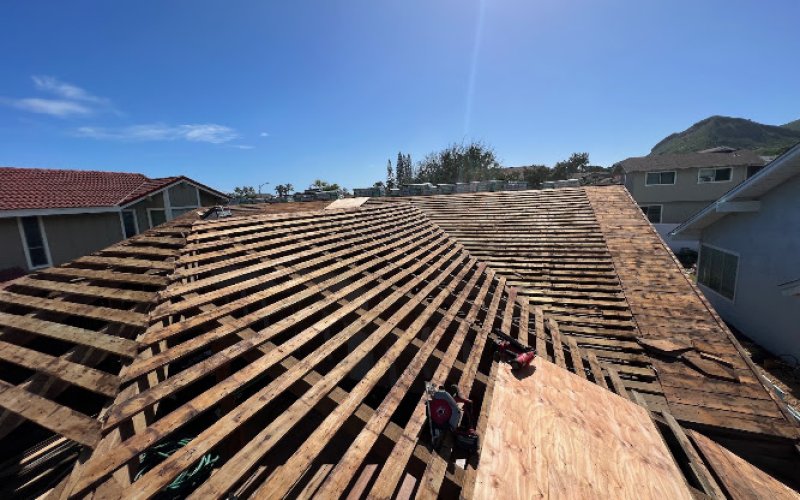
Gold Pacific Roofing
Roofing contractor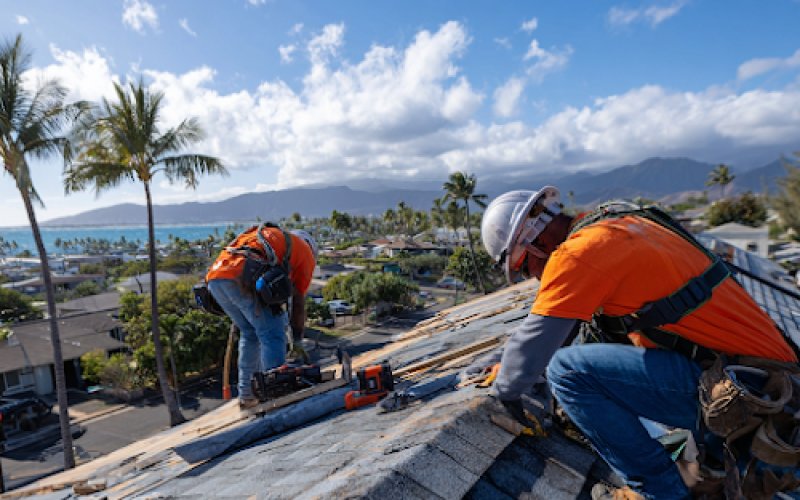
Oahu Roofing & Repairs Hawaii Kai
Roofing contractor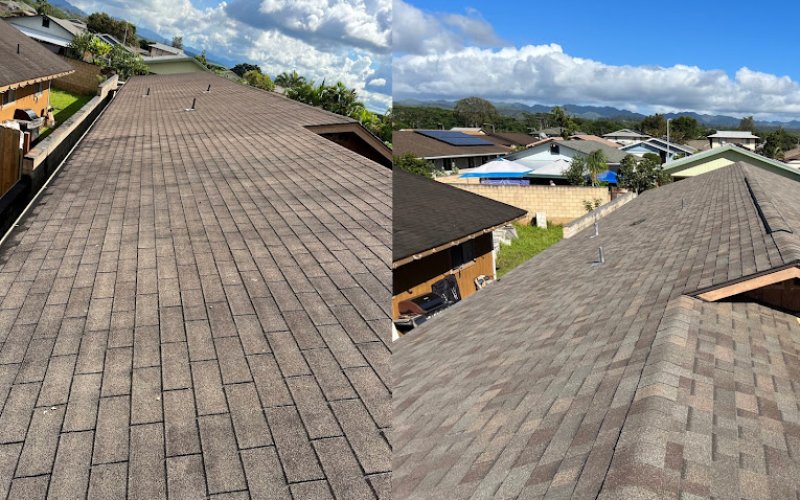
On Top Roofing LLC
Roofing contractor
R & C Roofing Contractors
Roofing contractor
Voyager Roofing
Roofing contractor
Action Roofing Hawaii LLC
Roofing contractor
LeakMaster Roofing
Roofing contractor
MRC Roofing LLC
Roofing contractor
Ohana Construction, Inc.
Roofing contractor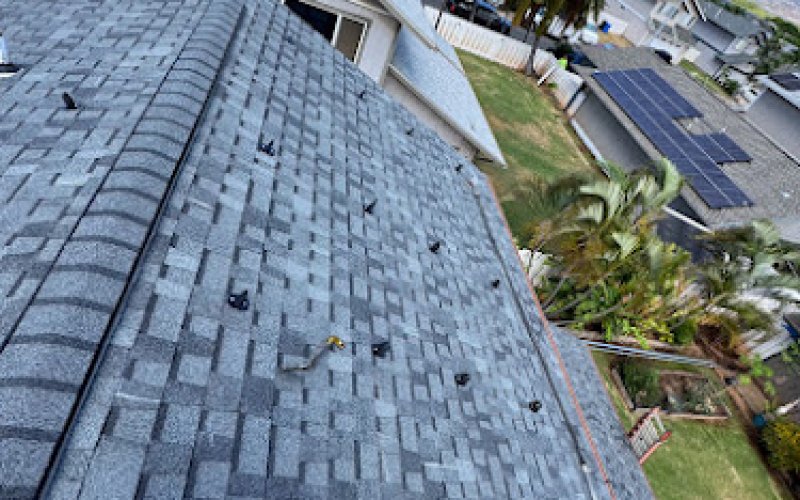
FBC Roofing
Roofing contractor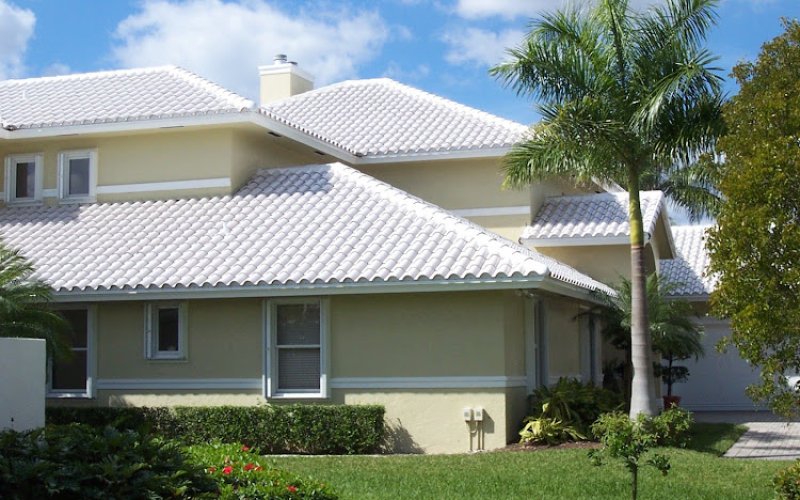
Pamalu Roofing
Roofing contractor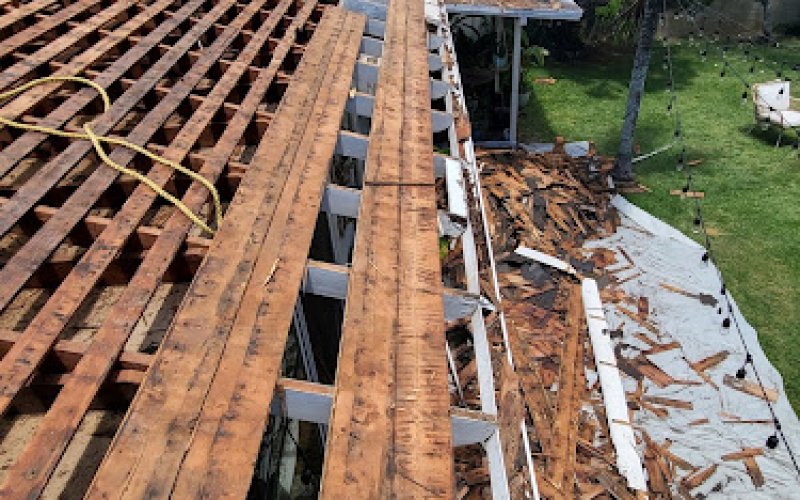
ProBuilt Hawaii Roofing & Rain Gutters
Roofing contractor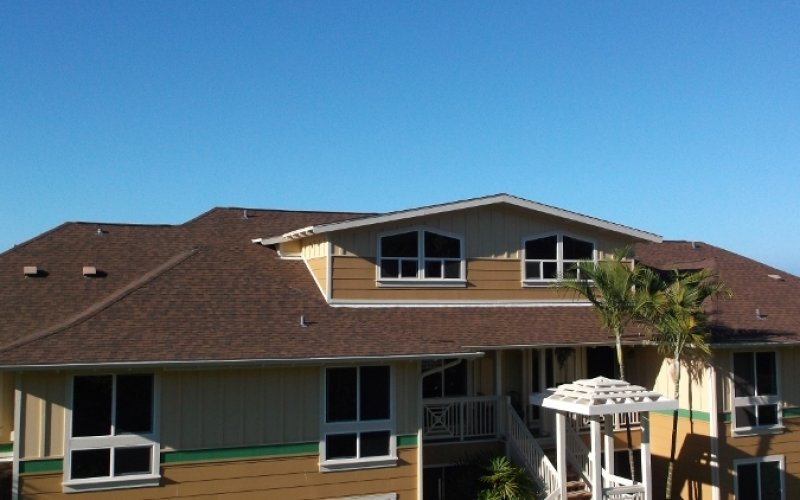
Protech Roofing LLC
Roofing contractor
HI Point Roofing Hawaii
Roofing contractorAbout roofer in Honolulu
Here's something most mainland transplants don't get until their first summer here: salt air eats roofs alive, and UV exposure this close to the equator breaks down roofing materials way faster than it would in, say, Seattle or Denver. A roof that might last 25 years in a drier, cooler climate can start showing real wear in half that time on Oahu — especially anything facing the trade winds directly. That's the quiet engine driving a lot of roofing work in this city, and it's not going away.
Demand here isn't really storm-driven the way it is in tornado-alley markets, though Kona storms and the occasional hurricane scare (remember the near-misses in recent years) do spike calls for tarping and emergency repair. Mostly it's a slower burn — aging housing stock in neighborhoods built in the 60s and 70s, asphalt shingle roofs that were never quite ideal for this climate to begin with, and a steady stream of pre-sale inspections in a real estate market where buyers expect a roof with life left in it. New construction adds another layer, though land constraints on Oahu mean that's a smaller slice than in growing mainland metros.
The market itself feels moderately fragmented. You've got a handful of larger, longer-established outfits that dominate the bigger commercial and multi-unit jobs, and then a wide field of smaller crews and family-run operations doing residential work across the island. Customers tend to split into a few clear camps: homeowners dealing with leaks or visible wear, sellers doing pre-listing repairs to satisfy inspection reports, condo and commercial building owners managing flat or low-slope roofs, and a smaller group building new. What sets Honolulu apart isn't just the climate — it's the permitting process through the city and county, the prevalence of metal and tile roofing (way more common here than on most of the mainland), and the logistics of getting materials shipped in, which affects both cost and timelines in ways a lot of newcomers don't expect.
Kahala
- Area Profile: One of the higher-income pockets on the island, larger single-family homes, plenty of long-term owners alongside newer high-end buyers.
- Roofers Activity: Tile and standing-seam metal re-roofs are common, along with high-end repair work on older estate-style homes.
- Price Range: Tends to run well above the citywide mid-range, often into premium territory given roof size and material choice.
- Local Note: Some properties have architectural review considerations, so material and color changes may need extra sign-off before work starts.
Kalihi
- Area Profile: Working-class, dense, a mix of older plantation-era homes and multi-family properties.
- Roofers Activity: Lots of patch repairs and partial re-roofs rather than full replacements — budget matters here, and owners often stretch a roof's life as long as possible.
- Price Range: Skews toward the budget-to-mid end, with repair work being especially common.
- Local Note: Older homes here sometimes still have layered roofing that complicates tear-off pricing — worth getting an inspection before assuming it's a simple job.
Kailua
- Area Profile: Beach-town character, mix of longtime local families and newer, wealthier buyers drawn by the coastline.
- Roofers Activity: Full re-roofs are common as older homes turn over to new owners; metal roofing is popular for its wind performance near the water.
- Price Range: Mid-range to premium, depending heavily on material choice.
- Local Note: Proximity to the coast means salt exposure accelerates corrosion on fasteners and flashing — a detail worth asking any roofer about directly.
Mililani
- Area Profile: Planned suburban community, family-oriented, mostly middle-income homeowners.
- Roofers Activity: Asphalt shingle re-roofs dominate — it's the most common material in this part of town, largely because of cost and HOA uniformity expectations.
- Price Range: Solidly mid-range, this is the neighborhood most representative of the "typical" Honolulu re-roof job.
- Local Note: Many homes were built around the same era, so it's common to see multiple houses on a street needing roof work within a similar window.
📊 Current Price Points:
- Budget options: $300–$1,500 (minor repairs, patch jobs, small leak fixes)
- Mid-range: $12,000–$25,000 (full asphalt shingle re-roof, most popular segment for single-family homes)
- Premium: $30,000+ (metal, tile, or higher-end standing-seam systems, especially on larger homes)
📈 Market Trends:
- Demand stays fairly steady year-round compared to storm-driven mainland markets, with periodic spikes after Kona storms or hurricane warnings.
- Material availability has loosened up some from the tighter stretches of recent years, though shipping to the islands still adds lead time compared to mainland jobs.
- Pricing has been trending upward gradually, tracking labor costs and shipping/import expenses more than anything dramatic.
- Dry season (roughly late spring through early fall) is prime install time; wetter winter months can push back schedules.
- A full re-roof typically takes a few days to about two weeks depending on size, material, and weather delays.
💰 What People Are Spending:
- Leak repair / patch work: $300–$1,500
- Full asphalt shingle re-roof: $12,000–$25,000
- Metal or tile re-roof: $25,000–$45,000+
- Gutter repair/replacement (often bundled): $1,000–$4,000
Economic Indicators: Oahu's population has stayed relatively flat to slightly declining in recent years as cost of living pushes some residents to the mainland, but housing turnover keeps happening regardless. Tourism, military presence, and healthcare remain the backbone employers on the island, and none of that is roofing-dependent — which actually makes roofing demand somewhat insulated from broader economic swings, since roofs age and leak whether the tourism numbers are up or down. Development trends skew toward infill and multi-unit projects rather than sprawling new subdivisions, given how limited buildable land is here.
Local Market Dynamics: Roofers demand in Honolulu leans heavily on aging roof stock and the sheer physical toll the climate takes on materials, more than on dramatic storm events. The competitive field is fragmented — plenty of small crews competing on residential repair and re-roof work, with a smaller set of established companies handling bigger commercial and multi-family contracts. Material costs tied to shipping have been a persistent factor pushing prices upward gradually rather than in sudden jumps.
How This Affects Buyers/Customers: Practically, this means homeowners should expect quotes to vary more than they might elsewhere, since smaller companies often price differently than the bigger, more established players. It also means booking ahead matters — a crew with a good local reputation on the North Shore or in Kailua can get backed up for weeks, especially right after a storm scare pushes a wave of inspection requests through the pipeline.
- ☀️ Spring/Summer: Peak install season — drier weather, more crew availability, but also more competition for scheduling since everyone wants work done before hurricane season ramps up.
- 🍂 Fall: A good window to catch crews before winter rain slows things down; sometimes easier to negotiate as the summer rush tapers.
- ❄️ Winter (Nov–Feb): Wetter months can delay installs and push jobs into multi-week timelines; emergency repair calls tend to tick up after heavy rain events.
- 📅 Peak months: June through September tends to be the busiest stretch — book early if you want a specific crew.
The right general window for getting a fair price and flexible scheduling is late fall, right before the winter rains but after the summer rush dies down. Crew availability tightens fast after any named storm or hurricane warning, even a near-miss — everyone suddenly wants an inspection. Permitting through the city and county can also add a few weeks to any project timeline, so build that into your expectations rather than assuming work starts the day the contract's signed.
Smart Timing Tips:- ✓ Get quotes in early spring before the summer scheduling crunch hits
- ✓ Ask your roofer directly about current permit turnaround times
- ✓ Avoid signing anything with a door-knocking crew right after a storm warning
- ✓ Build a few extra weeks of buffer into any timeline quoted during peak season
- A valid Hawaii contractor license through the state's Department of Commerce and Consumer Affairs (DCCA) — this is the actual body that licenses contractors statewide, and it's worth confirming a license is active before signing anything.
- Manufacturer certifications like GAF Master Elite or Owens Corning Preferred Contractor status, which usually mean better warranty options.
- General liability and workers' comp insurance — ask for proof, don't just take their word for it.
- Check reputation through Google reviews, Yelp, and word of mouth in the specific neighborhood you're in.
- How long have you been doing roofing work specifically on Oahu?
- Can you provide references from customers in my neighborhood?
- Is the estimate itemized, and does it distinguish workmanship warranty from manufacturer warranty?
⚠️ Red Flags Specific to Honolulu Roofers:
- Storm-chaser door-knockers offering "storm damage specials" right after severe weather — a well-known seasonal scam pattern in this industry.
- Demanding full payment upfront before any work starts.
- No permanent local address or only a P.O. box.
- Pressuring you to sign an insurance-claim assignment before an adjuster has even inspected the roof.
- Hawaii DCCA's contractor license lookup and complaint records
- Better Business Bureau (BBB) profiles
- Patterns in Google/Yelp reviews — one bad review is normal, a string of similar complaints about no-shows or shoddy cleanup is a real signal
✓ Established presence in Honolulu (not just passing through)
✓ Verifiable local reviews and references
✓ Transparent pricing, no hidden fees
✓ Clear process explained upfront
✓ Responsive communication
Refuses to provide proof of active Hawaii contractor license or insurance
Wants full payment before work begins
No verifiable local address or physical presence on the island
Vague or verbal-only estimates with nothing in writing
Check Reviews & Ratings
We recommend verifying businesses through trusted review platforms before making a decision.
Frequently Asked Questions
Popular Categories in Honolulu
Explore Other Cities
Professional Categories in Honolulu, HI
Related Services from Similar Professionals