Louisville's Go-To Roofers for Every Home Project
Looking for a solid roofer in Louisville? You've come to the right place — we've rounded up the best local roofing pros so you don't have to dig through endless search results.
Map of Businesses in Louisville
All Listings in Louisville
8 businesses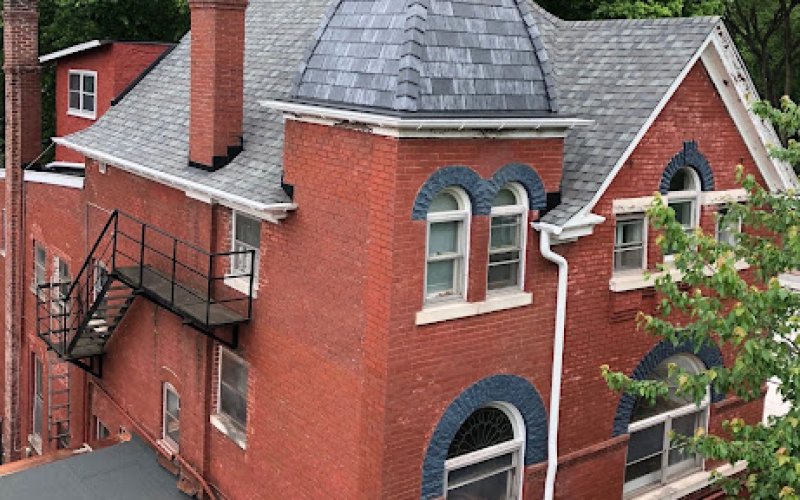
ProClaim Roofing
Roofing contractor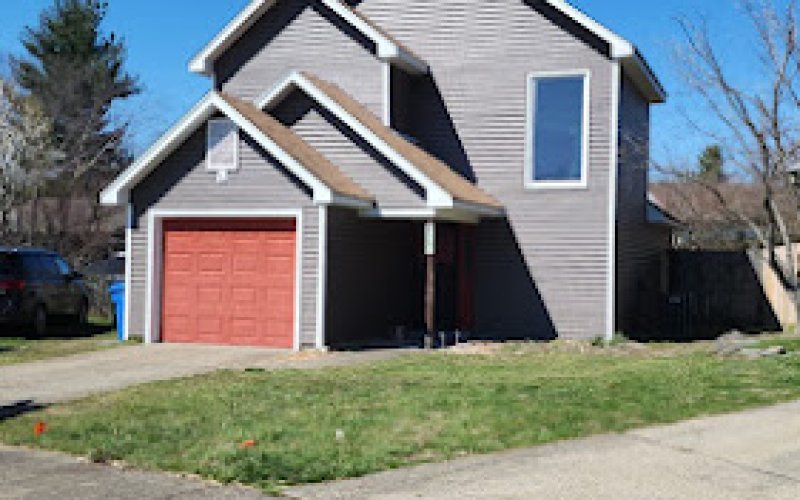
AIC Roofing & Construction Inc
Roofing contractor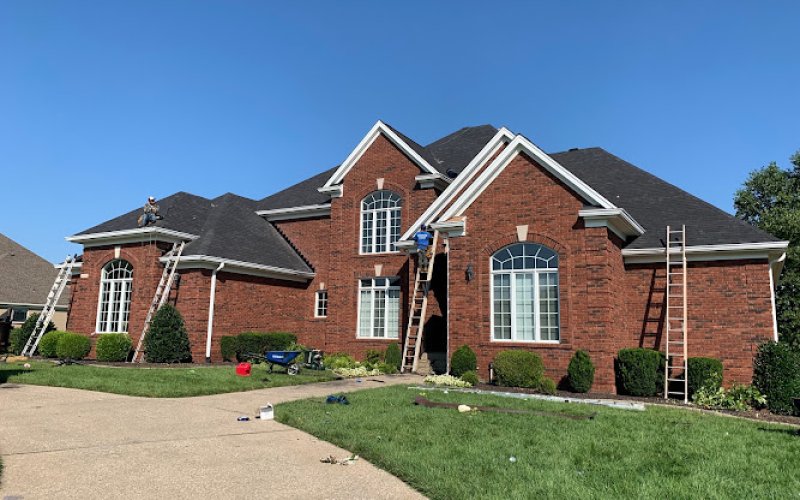
Christian Brothers Roofing
Roofing contractor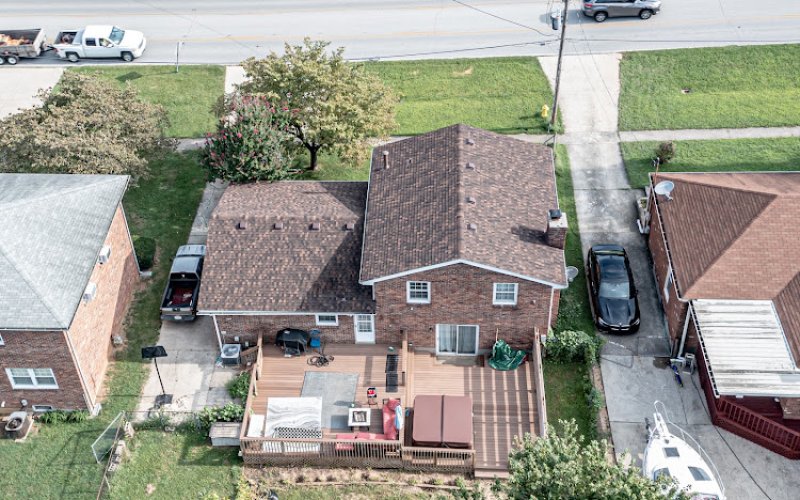
Eclipse Roofing & Restoration, LLC
Roofing contractor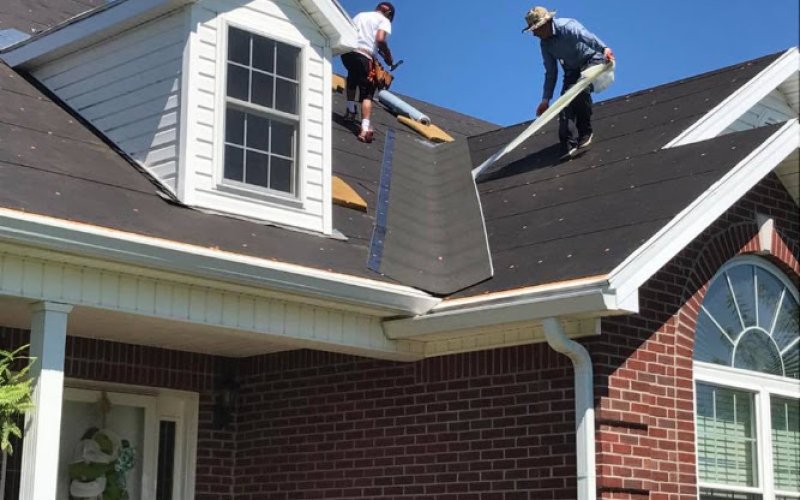
New Look Roofing
Roofing contractor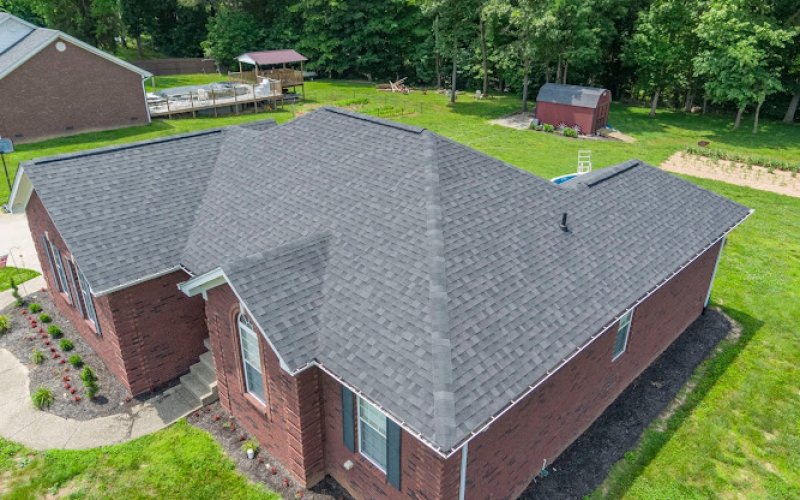
Roof Guys
Roofing contractor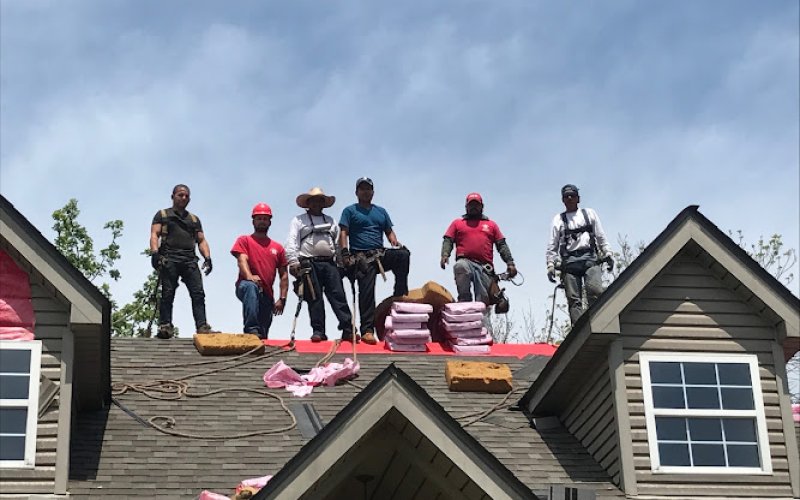
Bone Dry Roofing
Roofing contractor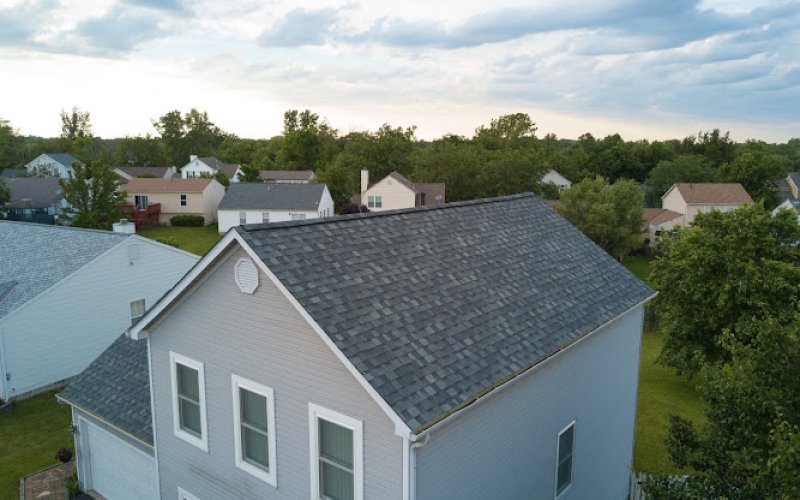
Mr. Roof Louisville
Roofing contractorAbout Roofer in Louisville
Here's a number that stopped me mid-coffee last month: 63% of Louisville roofs are past their expected lifespan, according to permit data pulled from Jefferson County building records going back to the 1990s housing boom. That's not a typo. Two-thirds of the roofs over our heads right now were installed before smartphones existed, and a lot of them are held together by luck and caulk.
The roofing market here has shifted hard since the 2021 hailstorm season tore through the East End and parts of St. Matthews—insurance claims spiked 340% that year alone, per state insurance filings, and that single event basically reset how many homeowners think about their roofs. Now you've got a market doing an estimated $180-220 million annually across the metro, split between maybe 60-70 active companies (though only a fraction are truly full-time, licensed operations—more on that later). Demand isn't just storm-driven anymore either. Louisville's population grew roughly 4.2% over the last five years, concentrated in Jefferson County suburbs like Fern Creek and the Norton Commons area, and new construction plus aging inventory means steady work regardless of weather.
What makes this market different from, say, Nashville or Indianapolis? Humidity. Louisville sits in that weird climate zone where you get brutal summer humidity, ice storms in January, and everything in between—so roofing materials get stress-tested constantly. Old-timers in the trade will tell you a roof rated for 25 years up here often acts more like 18-20 because of the freeze-thaw cycles. Customers skew heavily toward homeowners aged 45-65 in established neighborhoods, plus a growing segment of investment property owners in the Portland and Shawnee areas buying up older housing stock.
The Highlands
- Area Profile: Older bungalows and craftsman homes, median household income around $68,000, lots of owner-occupants who've been there 15+ years
- Roofer Activity: Slate and cedar shake repairs are common—these old houses weren't built with standard asphalt in mind, so specialty work commands premium pricing
- Price Range: $9,000-$18,000 for full replacements, higher than metro average due to steeper roof pitches
- Local Note: Bardstown Road's historic overlay districts sometimes require material approval before permits get pulled—adds 2-3 weeks to timelines
Fern Creek
- Area Profile: Fast-growing suburban area, younger families, median income near $71,000, lots of 1990s-2000s subdivisions
- Roofer Activity: Standard architectural shingle replacements dominate—this is bread-and-butter territory for most crews
- Price Range: $7,500-$12,000 typical, competitive because there's so much volume here
- Local Note: Heaviest concentration of storm-damage insurance work in the whole metro after the 2021 hail event
St. Matthews
- Area Profile: Mixed commercial-residential, higher income ($85,000+ median), older housing stock mixed with newer infill
- Roofer Activity: Commercial flat-roof work alongside residential—TPO and modified bitumen jobs common near the retail corridors
- Price Range: Residential $8,500-$15,000; commercial jobs vary wildly, $15K-$80K+
- Local Note: Parking and access can be a nightmare for crews near the mall area—factor that into quotes
📊 Current Price Points:
- Budget options: $4,500-$7,000 (basic 3-tab asphalt, smaller homes under 1,800 sq ft)
- Mid-range: $8,000-$13,500 (architectural shingles, most popular segment by far—about 65% of all jobs)
- Premium: $16,000+ (metal roofing, slate repair, or complex multi-pitch designs)
📈 Market Trends: Demand is up roughly 12% year-over-year, driven partly by insurance-mandated replacements and partly by that aging-inventory issue I mentioned earlier. Material costs have stabilized after the 2022-2023 spike—asphalt shingle prices are basically flat now compared to a 22% jump two years back. Labor's the tighter constraint these days; experienced crews are booked 4-6 weeks out during peak season. Average project completion runs 1-3 days for standard residential jobs, though permit and insurance approval can stretch the whole timeline to 3-4 weeks. 💰 What People Are Spending:
- Full roof replacement (asphalt): average $10,200
- Storm damage repair/insurance claim: average $6,800 out-of-pocket after deductible
- Gutter replacement paired with roof work: adds $1,200-$2,500
- Metal roof upgrade: average $19,500
Economic Indicators: Jefferson County's population is growing about 0.8% annually, slower than the Sunbelt but steady. UPS Worldport, Ford's two assembly plants, and the growing healthcare sector (Norton, Baptist Health) keep median household income at $58,900, just under the Kentucky average but with lower cost of living balancing it out. New development around the NuLu area and the ongoing Origin Park expansion in eastern Louisville are adding fresh roofing demand, though most of the volume still comes from replacement, not new-build.
Local Market Dynamics: Roofer demand here tracks two things—storm cycles and housing age. No single company dominates; the market's fragmented across maybe a dozen established players and dozens of smaller crews, some legit, some fly-by-night storm chasers who show up after bad weather and vanish by spring. I've seen this play out after almost every major hailstorm: door-knockers flood a neighborhood, sign contracts fast, then some of them just disappear before the work's done.
How This Affects Buyers/Customers: Practically, this means you've got real price variance depending on who you call. A homeowner in Fern Creek getting three quotes might see $8,200, $9,600, and $14,000 for essentially the same job—the top number often reflects a company padding insurance claims rather than doing better work.
Louisville Seasonal Patterns:
- ☀️ Spring/Summer: Peak demand, especially May-July after spring storms. Expect higher prices and 4-6 week wait times.
- 🍂 Fall: Best window for planning—crews less booked, weather still cooperative through October. Often the smartest time to negotiate.
- ❄️ Winter: Slower season but not dead. Some contractors offer 8-10% discounts to keep crews working, though weather delays are common.
- 📅 Peak months: June-August for speed of service; September-November for better pricing.
Timing Tips for Louisville: Storm season (typically March through June) creates urgency spikes—if your roof survives spring hail undamaged, that's actually your cue to get proactive quotes before summer bookings fill up. Late fall is when contractors get hungry for work before winter, so quotes tend to be more negotiable.
Smart Timing Tips:
- ✓ Get your roof inspected every spring before storm season, not after
- ✓ Book fall projects by September to avoid winter weather delays
- ✓ If filing an insurance claim, document damage within 30 days—most Kentucky policies have tight windows
- ✓ Avoid signing with anyone who knocks on your door within 48 hours of a storm
Credentials to Verify: Kentucky doesn't require a state-level roofing license (unlike electricians or plumbers), which honestly makes vetting more important here, not less. Louisville Metro does require contractor registration for permitted work, so ask for their Metro contractor license number directly. Look for GAF, Owens Corning, or CertainTeed manufacturer certifications—these require actual training, not just a sign-up fee. Membership in the Home Builders Association of Louisville is a decent legitimacy signal too.
Questions to Ask: How long have they specifically operated in Louisville (not just "the region")? Can they provide three local references from the last six months? Will they put material and labor costs in writing, itemized, before work starts?
⚠️ Red Flags Specific to Louisville Roofer:
- Door-knockers immediately after storms claiming "we're already working on your neighbor's house"—verify this before signing anything
- Contractors asking for full payment upfront instead of standard deposit-plus-completion structure
- Companies with a Louisville-area phone number but no actual local address or physical office
- Anyone offering to "waive your deductible"—that's insurance fraud, and it's happened repeatedly in Portland and Shawnee
Where to Check Complaints: Start with the Better Business Bureau's Louisville chapter, then cross-reference Google reviews for patterns—one bad review is normal, five complaints about no-shows or unfinished work is a pattern. The Kentucky Attorney General's consumer protection division also tracks contractor fraud complaints if things go sideways.
✓ Established presence in Louisville (not just passing through)
✓ Verifiable local reviews and references
✓ Transparent pricing, no hidden fees
✓ Clear process explained upfront
✓ Responsive communication
Cost Calculator
Check Reviews & Ratings
We recommend verifying businesses through trusted review platforms before making a decision.
Frequently Asked Questions
Popular Categories in Louisville
Explore Other Cities
🏡 Roofers near Louisville
Professional Categories in Louisville, KY
Related Services from Similar Professionals