Top-Rated Roofers Serving Gainesville, FL
Looking for a roofer in Gainesville who won't ghost you after taking a deposit? You're in the right place—browse local pros, check out real reviews, and find someone who'll actually get the job done right.
Map of Businesses in Gainesville
All Listings in Gainesville
16 businesses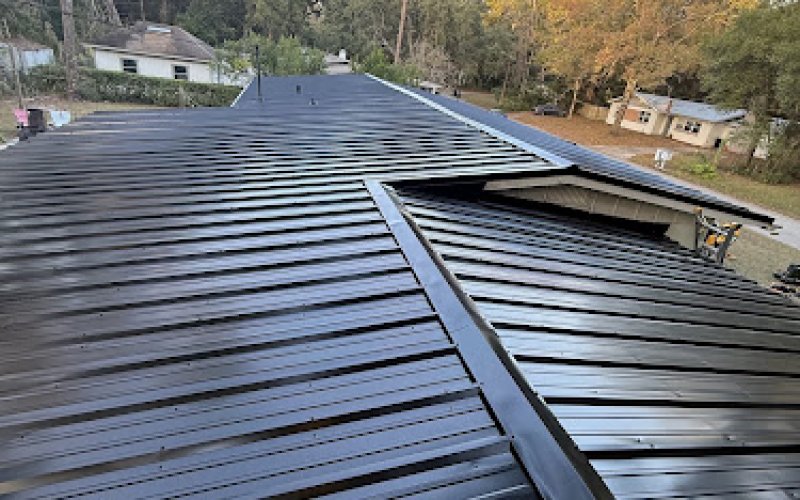
Entrust Roofing USA
Roofing contractor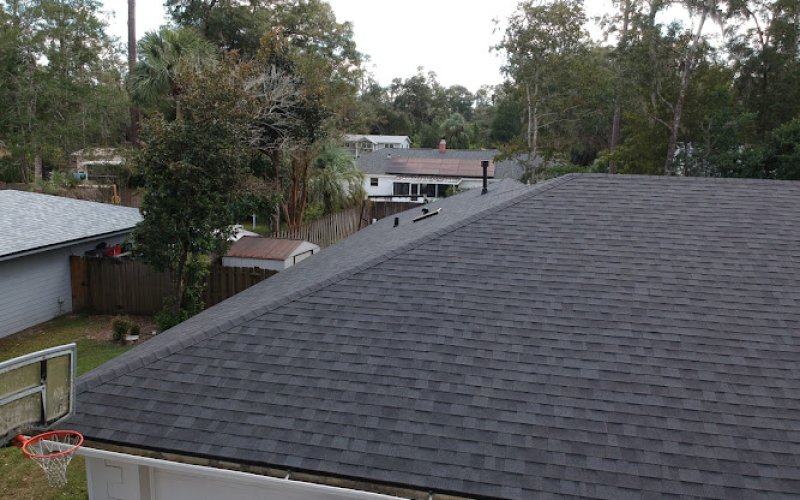
Haven Roofing
Roofing contractor
New Look Roofers
Roofing contractor
Retex Roofing
Roofing contractor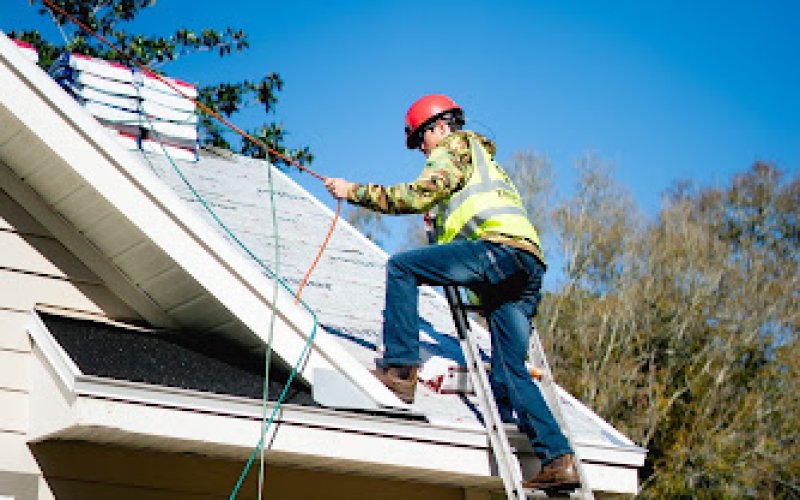
True Force Roofing
Roofing contractor
352's Trusted Roofing & Gutters
Roofing contractor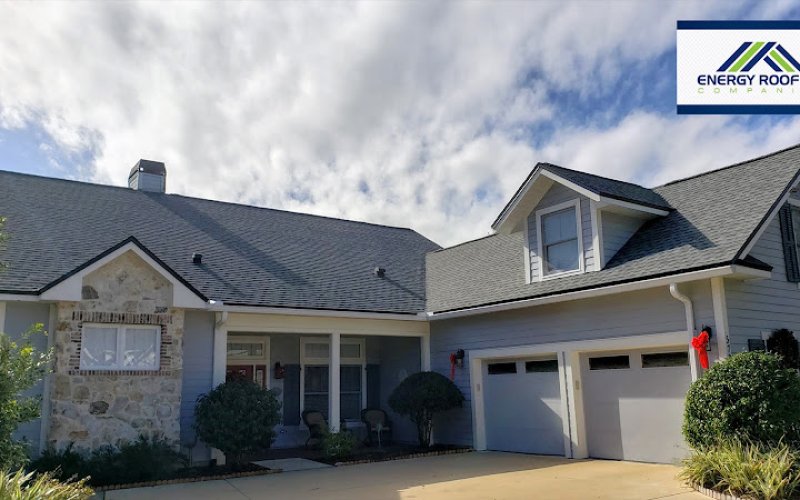
Energy Roofing Companies
Roofing contractor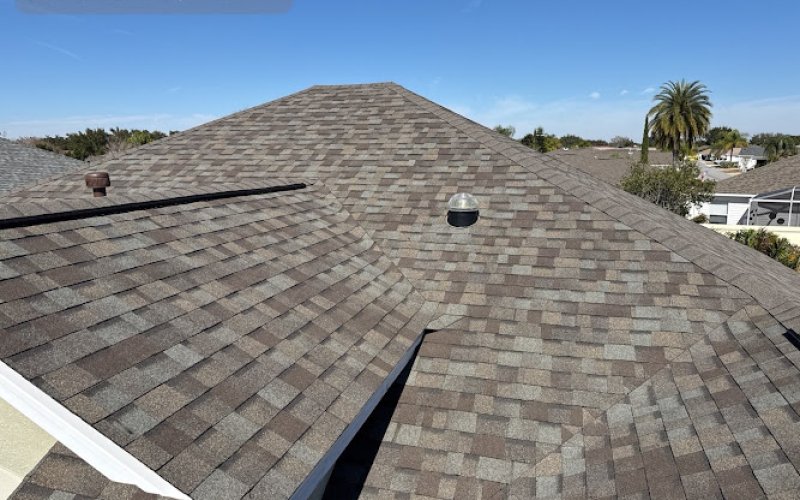
KayCo Roofing
Roofing contractor
Godwin Green Roofing
Roofing contractor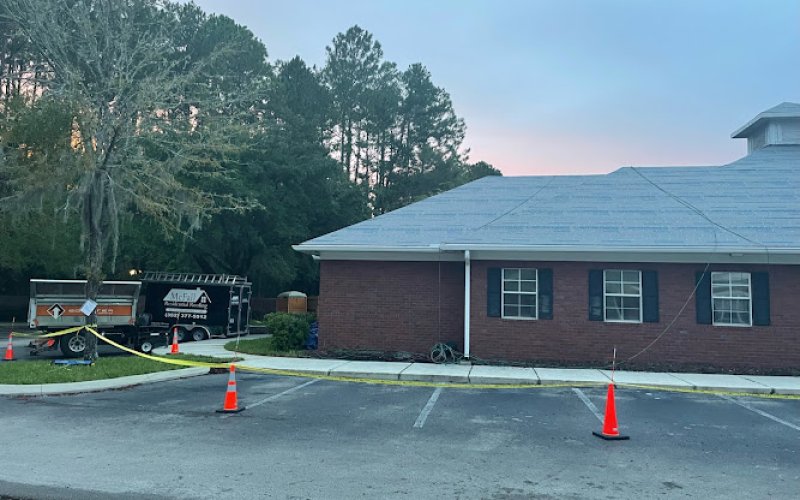
McFall Residential Roofing
Roofing contractor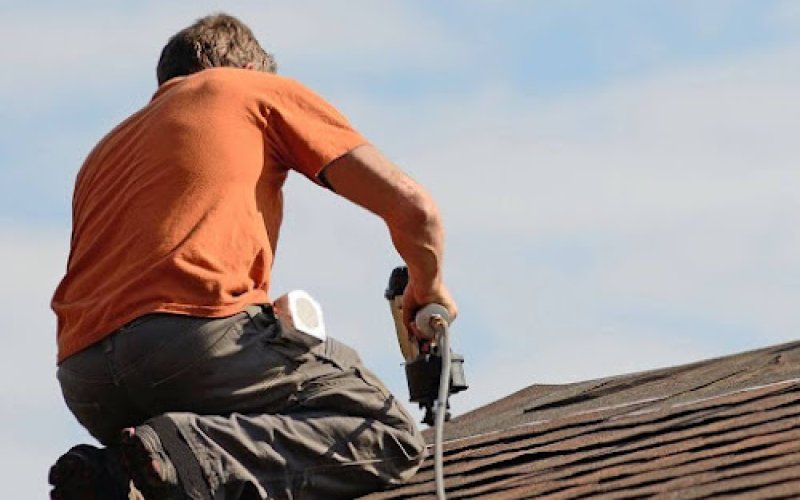
Perry Roofing Contractors
Roofing contractor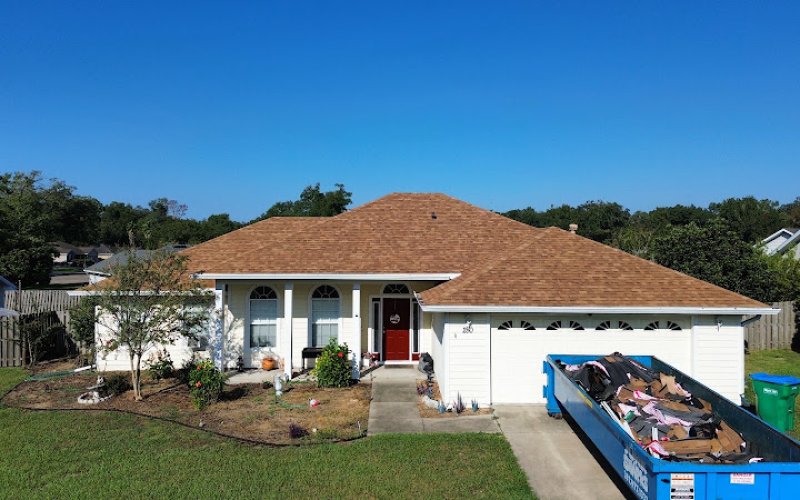
Worthmann Roofing and Gutters
Roofing contractor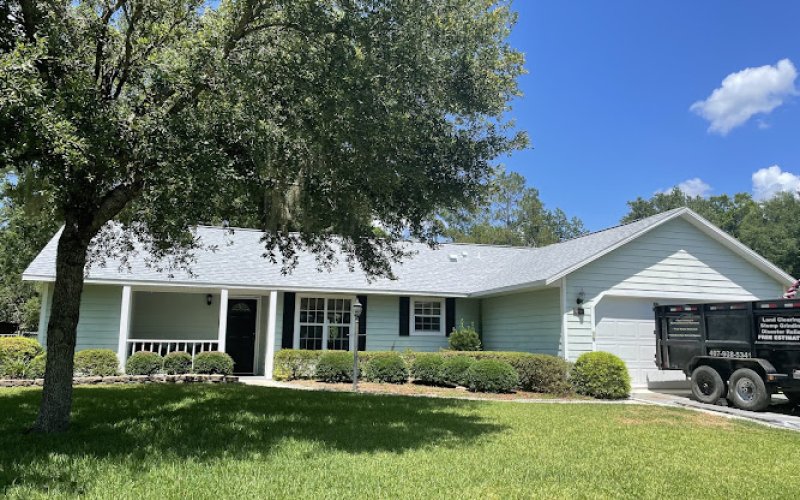
Best Choice Roofing
Roofing contractor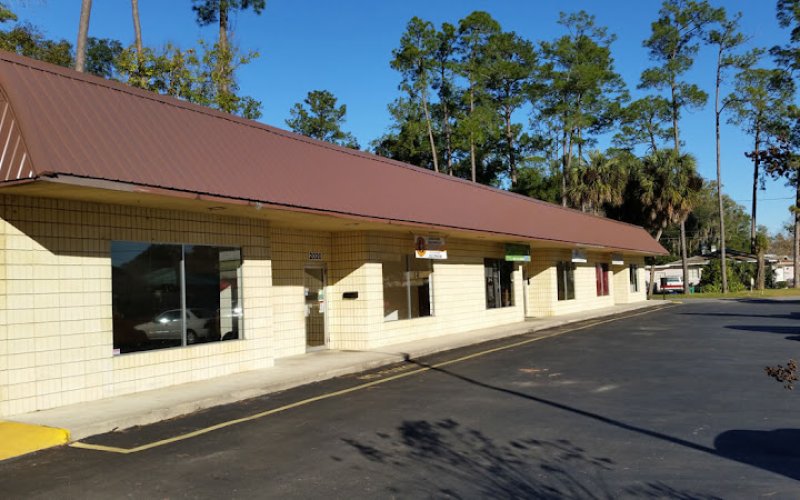
Crosier & Son Roofing
Roofing contractor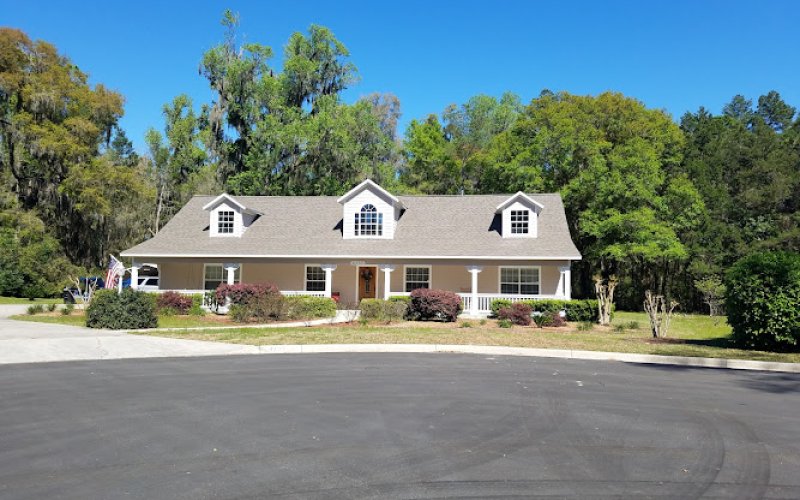
Duffield Roofing & Exteriors
Roofing contractor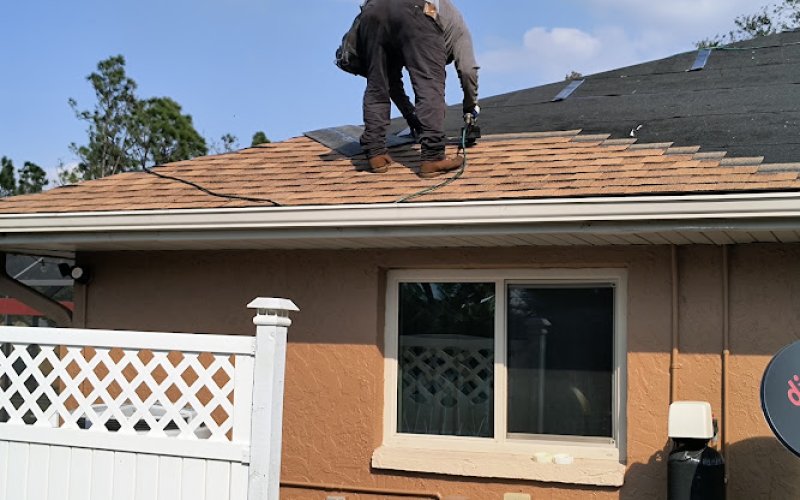
Atlantic Roofing & Exteriors
Roofing contractorAbout roofer in Gainesville
Here's something most people don't think about until a chunk of shingle ends up on their driveway: a roof in Gainesville ages differently than one in Atlanta or Charlotte. The combination of brutal UV exposure, near-daily summer thunderstorms, and the occasional tropical system means asphalt shingles here tend to wear out faster than the manufacturer's glossy brochure suggests. That's not a scare tactic — it's just how sun and humidity work on petroleum-based materials, year after year.
So the Roofers market in Gainesville stays busy, but it's not a steady hum — it's more like waves. A bad hurricane season or even one nasty hailstorm rolling through Alachua County can trigger a surge in roof replacements that lasts well over a year, as insurance claims work their way through the system. Between those events, demand comes from the quieter, steadier stuff: aging housing stock (there's a lot of it, especially in the older core neighborhoods), new construction out toward Newberry and Tioga, and homeowners doing pre-listing repairs before putting a house on the market near UF.
With 16 Roofers listed in this directory alone, you're looking at a market that's fragmented rather than dominated by one or two giants. Some are small crews running two or three trucks who've worked the same streets for years. Others are bigger regional operations with storm-response divisions. Customers range from first-time homeowners in starter neighborhoods to commercial property managers dealing with flat roofs on strip centers along 13th Street. What makes Gainesville distinct isn't just the weather — it's the mix of roof types. You'll find traditional asphalt shingle dominating subdivisions, but also a fair number of metal roofs on older farmhouse-style homes outside the city limits, plus flat and low-slope roofing on commercial buildings and some mid-century homes near the historic districts.
Haile Plantation
- Area Profile: Upper-middle income, master-planned community, lots of families and professionals tied to UF or Shands/UF Health.
- Roofers Activity: Full re-roofs on homes built in the 90s and early 2000s that are now hitting the age where original shingles are failing. Also a steady trickle of storm-damage repairs after summer squalls.
- Price Range: Mid-range to upper mid-range — homeowners here tend to go with dimensional shingles rather than the bare-minimum 3-tab option.
- Local Note: HOA architectural guidelines matter a lot here — shingle color and style often need pre-approval before work starts, so good contractors know to ask about this upfront.
Duckpond / Historic Northeast
- Area Profile: One of Gainesville's oldest residential pockets, full of character homes — bungalows, Victorians, early 20th-century construction.
- Roofers Activity: Specialty work. Metal roofing and standing-seam replacements are common here because they fit the historic aesthetic, plus repair work that requires matching older roofline details.
- Price Range: Tends to run higher than average — older roof decking sometimes needs structural repair before new material goes on, which adds to the bill.
- Local Note: Some homes fall under historic district review, meaning certain material and color choices may need approval before a permit is pulled.
Tioga / Newberry Corridor
- Area Profile: Newer growth area, higher-income households, a lot of recently built homes and ongoing new construction.
- Roofers Activity: Mostly new-construction roofing and warranty work rather than replacements — these roofs are still young. When work does happen, it's often minor repair or storm-related.
- Price Range: New-build roofing costs get baked into construction contracts; standalone repair work runs moderate given these roofs' age.
- Local Note: Builder warranties are still active on a lot of these roofs, so homeowners sometimes call a roofer before realizing the issue should go through the builder first.
📊 Current Price Points:
- Budget options: $350–$1,200 (minor repairs, patch jobs, small leak fixes)
- Mid-range: $8,500–$16,000 (full asphalt shingle re-roof, most popular segment for average single-family homes)
- Premium: $18,000+ (standing-seam metal, tile, or specialty roofing systems)
📈 Market Trends:
- Demand tends to rise sharply right after storm season and stay elevated for months as claims get processed — it's rarely a flat, steady curve.
- Material availability has loosened up compared to the supply-chain crunch years, though certain specialty metal profiles can still mean a wait.
- Pricing has been drifting upward gradually, tracking general material and labor cost increases rather than any single dramatic jump.
- Late spring through early fall is peak install season — dry stretches between storms are when crews actually get on roofs.
- A typical full re-roof job, once scheduled, usually takes one to three days of actual work, though the wait to get on the schedule can stretch much longer during busy stretches.
💰 What People Are Spending:
- Minor repair / leak patch — $300–$1,500
- Full asphalt shingle replacement — $8,000–$18,000, depending on roof size and pitch
- Metal roof installation — $15,000–$35,000+
- Gutter repair/replacement add-on — $1,000–$4,000
Economic Indicators: Gainesville's population has been on a general growth trend for years, driven largely by the University of Florida and the healthcare sector anchored by UF Health/Shands. New residential development keeps pushing outward toward Newberry, Jonesville, and parts of Alachua County. Income levels skew mixed — you've got a large renter/student population pulling the average down in some pockets, alongside genuinely affluent subdivisions in places like Haile Plantation and Turkey Creek.
Local Market Dynamics: Roofers here lean heavily on three demand drivers — storm and hail damage working through insurance claims, an aging stock of homes built in the 80s-2000s boom that are now due for replacement, and ongoing new construction. The competitive landscape is fragmented: a handful of established local companies with name recognition, a bunch of smaller crews, and occasional traveling storm-response outfits that show up after major weather events and then move on.
How This Affects Buyers/Customers: In practice, this means pricing and availability can shift fast. If a hailstorm rolls through in June, don't expect to get three competitive quotes within a week — everyone good gets booked up. On the flip side, in a quiet stretch, that's when local companies (the ones actually planning to be around next year) tend to be more flexible on scheduling and pricing.
Gainesville Seasonal Patterns:
- ☀️ Spring/Summer: Peak season — ideal install weather between storms, but also peak storm-damage repair demand, so scheduling tightens.
- 🍂 Fall: A good window. Hurricane season is winding down, weather is more predictable, and crews often have more open slots.
- ❄️ Winter: Generally the slowest stretch — fewer storms, cooler and drier days, which can mean better pricing and more attentive scheduling.
- 📅 Peak months: Late summer through early fall is when you need to act fast after any storm; winter is when you have more room to negotiate.
Timing Tips for Gainesville: The best general window for getting a fair price and real attention tends to be late fall into winter, before storm season ramps back up. Right after a major storm, good crews get booked out weeks or even months — that's when the storm-chasers also show up offering suspiciously fast turnaround. Permitting can also slow things down during high-demand stretches, since the local permitting office gets backed up along with everyone else.
Smart Timing Tips:
- ✓ Get on a reputable contractor's schedule before hurricane season starts, if you already know your roof is on its last legs.
- ✓ Don't rush into signing with the first door-knocker after a storm — legitimate local companies will still be there in three weeks.
- ✓ Ask about winter scheduling discounts — slower months sometimes mean more negotiating room.
- ✓ Factor in permit lead time when planning a pre-listing roof replacement; don't wait until the week before closing.
Credentials to Verify: In Florida, roofing contractors should hold a state-issued contractor license through the Florida Department of Business and Professional Regulation (DBPR) — this is the real regulatory body, and it's worth confirming a license is active and in good standing. Manufacturer certifications like GAF Master Elite or Owens Corning Preferred Contractor status are a good secondary signal, since they usually require a track record and ongoing training. Membership in state or national roofing associations is a nice-to-have, not a must-have.
Questions to Ask:
- How long have you actually operated in Gainesville specifically (not just "Florida")?
- Can you provide references from jobs done in this area in the past year or two?
- Is the estimate itemized by material, labor, and disposal, with warranty terms spelled out separately for workmanship versus manufacturer coverage?
⚠️ Red Flags Specific to Gainesville Roofers:
- Storm-chaser door-knockers offering "storm damage specials" right after severe weather — a well-known seasonal scam pattern in this industry.
- Demanding full payment upfront before any work starts.
- No permanent local address or only a P.O. box.
- Pressuring you to sign an insurance-claim assignment before an adjuster has even inspected the roof.
Where to Check Complaints: Start with DBPR's license lookup to confirm standing, then check the Better Business Bureau for complaint history. Beyond that, look at the pattern in Google and Yelp reviews — one bad review is normal, but a string of complaints about no-shows or unfinished jobs is a real signal.
✓ Established presence in Gainesville (not just passing through)
✓ Verifiable local reviews and references
✓ Transparent pricing, no hidden fees
✓ Clear process explained upfront
✓ Responsive communication
No verifiable DBPR license or refusal to provide license number
Insists on full payment before work starts
Vague or verbal-only estimate with no breakdown
Can't name a single local reference or past Gainesville job
Check Reviews & Ratings
We recommend verifying businesses through trusted review platforms before making a decision.
Frequently Asked Questions
Popular Categories in Gainesville
Explore Other Cities
🏡 Roofers near Gainesville
Professional Categories in Gainesville, FL
Related Services from Similar Professionals