Trusted, Top-Rated Roofers in Dayton, OH
Looking for a solid roofer in Dayton? You're in the right place — we've rounded up local pros so you can skip the guesswork and find someone good.
Map of Businesses in Dayton
All Listings in Dayton
15 businesses
Blue Knight
Roofing contractor
DryTech Exteriors
Roofing contractor
All-Side Roofing & Restoration, LLC
Roofing contractor
Dayton Roof & Remodeling LLC
Roofing contractor
Prime Roofing
Roofing contractor
Quality Exterior and Restoration
Roofing contractor
Van Martin Roofing
Roofing contractor
All Around Roofing, Siding & Gutters
Roofing contractor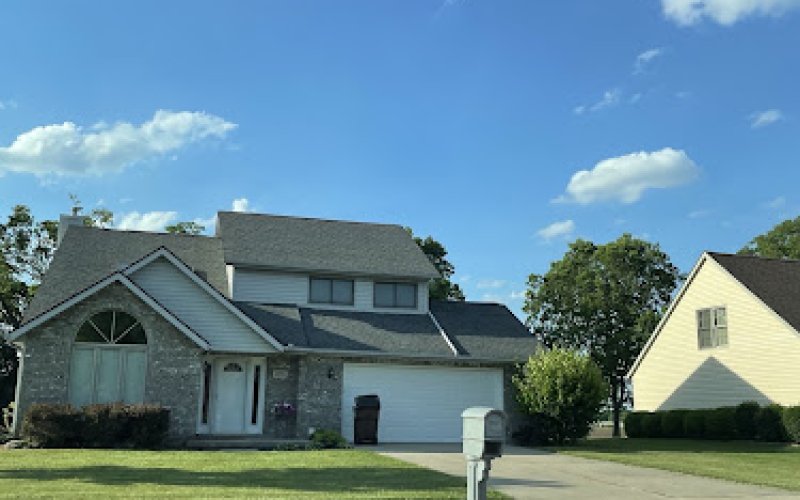
American Home Tech
Roofing contractor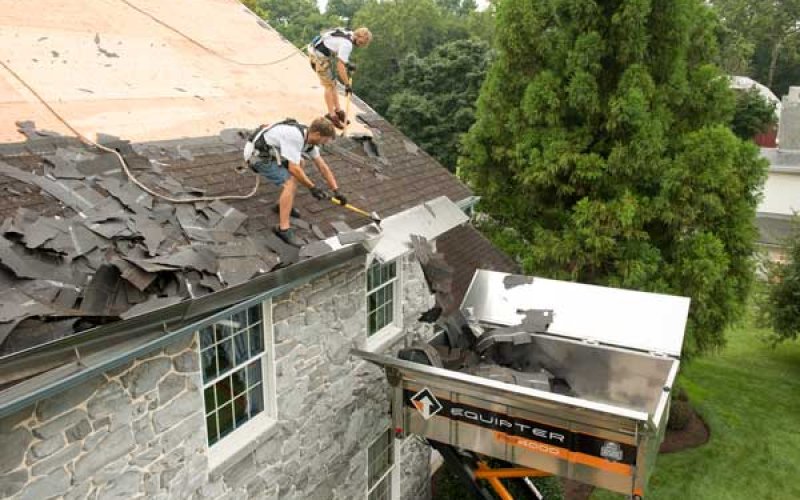
AnyWeather
Roofing contractor
Sherriff Goslin Roofing Dayton
Roofing contractor
American Siding and Roofing llc
Roofing contractor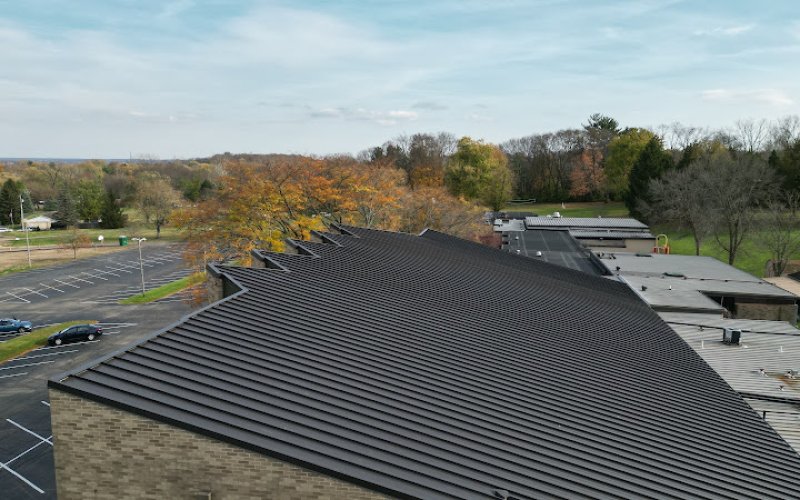
Enterprise Roofing
Roofing contractor
Four Seasons Construction, LLC.
Roofing contractor
Erie Home Roofing
Roofing contractorAbout roofer in Dayton
Here's something most homeowners don't think about until a chunk of shingle is sitting in their gutter: Dayton sits in that miserable sweet spot of freeze-thaw cycles, spring hailstorms, and humid summers that basically works a roof over from every angle, all year. That combination is why the roofing business here isn't seasonal so much as it's storm-triggered — a bad hail event in Kettering or a windstorm that rips through Trotwood can generate more calls in two weeks than a slow quarter generates on its own.
The market itself feels like a lot of small-to-midsize outfits and a handful of bigger regional players, rather than one or two companies dominating everything. Demand tends to come from a few predictable buckets: homeowners dealing with actual storm or wind damage, sellers doing a fast pre-listing repair because their agent flagged curling shingles, and a steady trickle of new construction out in the growing suburbs. Insurance claims drive a huge chunk of the work — more than people expect, honestly — because a lot of Dayton's housing stock is old enough that a single bad storm pushes a marginal roof over the edge.
What makes it a little different from, say, a Sunbelt market is the roof types you see and the pace of wear. Asphalt shingle dominates by a wide margin, but you'll spot a fair amount of older slate and standing-seam metal on historic homes in places like South Park or Dayton View. Permitting is generally manageable through the city or township, not some huge bottleneck, but it does add a few days to timelines that a homeowner used to a faster market might not expect.
Oakwood
- Area Profile: Higher-income, established, lots of older brick colonials and tudors with mature tree cover.
- Roofers Activity: Full tear-offs and premium material upgrades are common — homeowners here often go straight to architectural shingle or even slate/metal repair rather than patching.
- Price Range: Full re-roofs commonly land in the $15,000–$30,000+ range depending on complexity and material.
- Local Note: Steep, complex rooflines are the norm, which pushes labor costs up regardless of material choice.
Kettering
- Area Profile: Middle-to-upper-middle income, mostly ranch and split-level homes from the 60s and 70s, lots of long-term owners.
- Roofers Activity: Straightforward asphalt shingle replacement is the bread-and-butter job here, often triggered by insurance claims after storm season.
- Price Range: Typical full re-roof runs $9,000–$16,000.
- Local Note: A lot of these roofs are original or one-generation-old, so you'll see a wave of replacements happen in clusters after a shared storm event.
Trotwood
- Area Profile: More working-class, mixed rental and owner-occupied housing, generally lower average income than the eastern suburbs.
- Roofers Activity: Repairs and patch jobs are more common than full replacements — budget matters a lot here, and landlords often just want a functional fix.
- Price Range: Repairs often fall $400–$1,800; full replacements when they happen tend to skew toward the budget end, $7,000–$11,000.
- Local Note: This is also where storm-chaser door-knocking tends to concentrate after bad weather — worth flagging to homeowners specifically.
Belmont / East Dayton
- Area Profile: Older, denser housing stock, working-class character, a mix of long-time residents and newer investor-owned rentals.
- Roofers Activity: Aging roof stock means a steady baseline of both repair and replacement work, not tied as tightly to any one storm cycle.
- Price Range: Full re-roofs generally $8,000–$14,000; smaller row-house-style roofs can come in lower.
- Local Note: Smaller lot sizes and older wiring/venting setups sometimes add unexpected costs once a crew gets up there.
📊 Current Price Points:
- Budget options: $350–$1,800 (minor repairs, patch jobs, flashing fixes)
- Mid-range: $8,000–$16,000 (full asphalt shingle re-roof, by far the most common job)
- Premium: $18,000+ (standing-seam metal, slate, tile, or complex architectural roofs)
📈 Market Trends:
- Demand tends to spike hard after a severe storm season, then settle into a steadier baseline of aging-roof replacements the rest of the year.
- Material availability has generally stabilized compared to the supply crunches of a few years back, though certain metal panel profiles can still have longer lead times.
- Pricing has been drifting upward gradually — labor costs and insurance-driven demand both put steady upward pressure on quotes.
- Dayton's freeze-thaw winters mean most crews avoid major tear-offs from mid-December through February; spring and fall are the workhorse seasons.
- A standard residential re-roof typically takes one to three days on-site, though the full process from estimate to completion often stretches two to six weeks depending on permitting and material lead time.
💰 What People Are Spending:
- Minor repair/patch: $350–$1,800
- Full asphalt shingle re-roof: $8,000–$16,000
- Gutter replacement/repair (often bundled with roof work): $1,200–$4,500
- Metal or premium material roof: $18,000–$35,000+
Economic Indicators: Dayton's population has been roughly flat to slightly declining in the core city while surrounding suburbs like Kettering, Centerville, and Beavercreek have seen steadier or modest growth. The region still leans on healthcare, aerospace/defense (Wright-Patterson Air Force Base is a major anchor employer), and manufacturing, which keeps a decent base of stable, middle-income households — the kind that can absorb a $10,000 roof bill without it being catastrophic, but also the kind that shop around and want a clear quote.
Local Market Dynamics: Roofers demand here is really a function of two things — storm cycles and roof age. A lot of Dayton's housing stock is old enough that shingles are simply timing out, storm damage or not. That creates a fairly reliable baseline of work even in calm weather years. The contractor landscape itself is fragmented — plenty of small crews and family-run outfits, a few larger regional companies that do heavy marketing after storms — so there's real variation in pricing and professionalism from one company to the next.
How This Affects Buyers/Customers: Practically, this means a homeowner in Belmont might get three quotes ranging from $9,000 to $14,000 for what is basically the same job — and that gap usually comes down to crew size, material brand, and how much the company spends on marketing versus labor. It also means timing matters: get quotes before a storm floods every crew's schedule, not after.
Dayton Seasonal Patterns:
- ☀️ Spring/Summer: Peak install season, highest demand — this is also when post-storm surges hit hardest, so scheduling can stretch out.
- 🍂 Fall: Strong second window, often a bit less chaotic than spring, and the last realistic stretch before winter weather locks things down.
- ❄️ Winter: Slower for most crews, some will still do emergency repairs, but full replacements often get pushed to spring — pricing can sometimes be more negotiable here since crews want the work.
- 📅 Peak months: Late spring through early fall is when you need to book early; late fall/winter is when you have more room to negotiate.
Timing Tips for Dayton: The best deals generally show up in the off-peak stretch — think November through February for scheduling flexibility, even if the actual install waits for warmer weather. Crew availability tightens fast after any major regional storm, sometimes to the point of multi-week waitlists. Permitting backlogs can add a few days but rarely derail a timeline outright.
Smart Timing Tips:
- ✓ Get on a contractor's schedule in early spring before storm season backs everything up
- ✓ If your roof is aging but not leaking, consider scheduling in fall for better crew availability
- ✓ Don't let a storm-chaser rush you into signing anything within days of a big weather event
- ✓ Ask upfront how weather delays are handled in the contract
Credentials to Verify: Ohio doesn't require a statewide roofing-specific license the way some trades do, but legitimate contractors should carry general liability insurance, workers' comp, and often manufacturer certifications like GAF Master Elite or Owens Corning Preferred Contractor status — these signal the company has met a manufacturer's training and volume standards, not just self-reported quality. Local business licensing through the city or county is also worth confirming.
Questions to Ask: How long has the company actually worked in the Dayton area (not just "licensed in Ohio")? Can they provide references from jobs in your specific neighborhood? Are they upfront about material brand, warranty terms, and the difference between a workmanship warranty and a manufacturer's material warranty?
⚠️ Red Flags Specific to Dayton Roofers:
- Storm-chaser door-knockers offering "storm damage specials" right after severe weather — a well-known seasonal scam pattern in this industry
- Demanding full payment upfront before any work starts
- No permanent local address or only a P.O. box
- Pressuring you to sign an insurance-claim assignment before an adjuster has even inspected the roof
Where to Check Complaints: The Better Business Bureau is a solid first stop for complaint history, and a close read of Google/Yelp reviews — looking specifically for patterns of unfinished jobs, warranty disputes, or communication problems rather than one-off gripes — tells you more than the star rating alone.
✓ Established presence in Dayton (not just passing through)
✓ Verifiable local reviews and references
✓ Transparent pricing, no hidden fees
✓ Clear process explained upfront
✓ Responsive communication
Refuses to put an estimate in writing
Can't produce proof of insurance on request
Only reachable through a personal cell, no business address or website
Pushes you to sign anything before you've had time to compare at least one other quote
Check Reviews & Ratings
We recommend verifying businesses through trusted review platforms before making a decision.
Frequently Asked Questions
Popular Categories in Dayton
Explore Other Cities
🏡 Roofers near Dayton
Professional Categories in Dayton, OH
Related Services from Similar Professionals