Your Trusted Roofers in Tulsa, OK, Sorted
Looking for a solid roofer in Tulsa? You've come to the right place — we've rounded up the best local pros so you can skip the guesswork and get your roof sorted.
Map of Businesses in Tulsa
All Listings in Tulsa
12 businesses
Action Exteriors Tulsa
Roofing contractor
R&R Roofing and Construction
Roofing contractor
Roof Leaks and More
Roofing contractor
24 Hour Roof US
Roofing contractor
A. Fricker Roofing and Waterproofing
Roofing contractor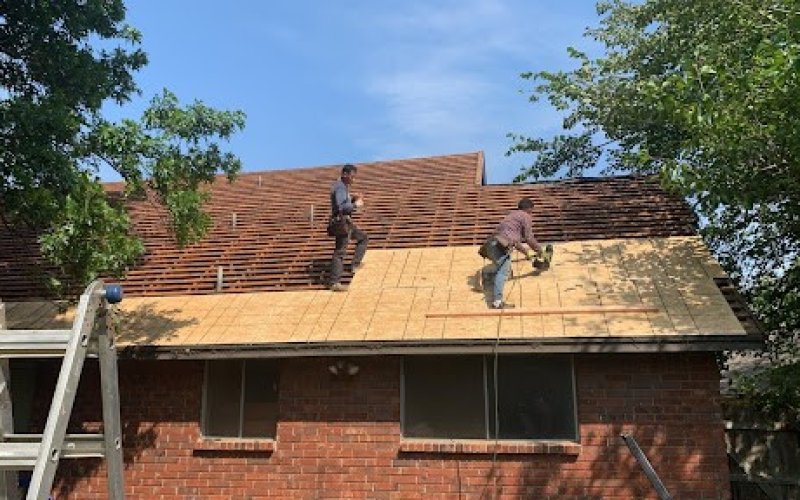
American Central Roofing & Construction
Roofing contractor
Arrowhead Roofing
Roofing contractor
Nations Best Roofing And Construction
Roofing contractor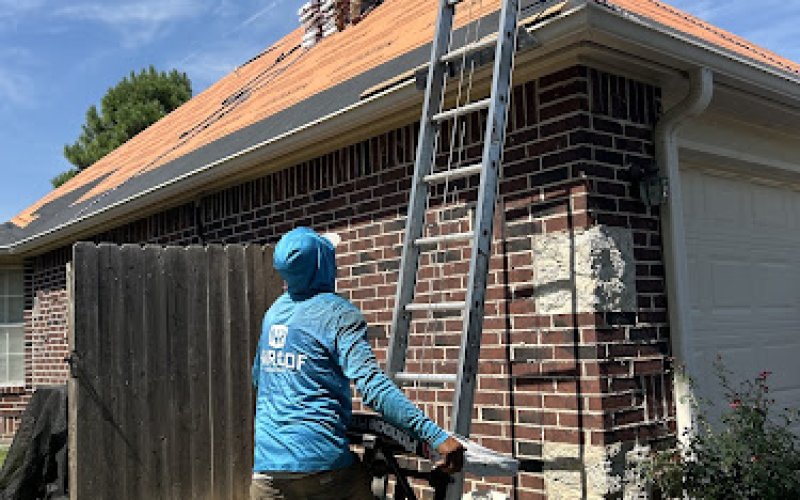
NuRoof & Construction
Roofing contractor
Conrad's Roofing
Roofing contractor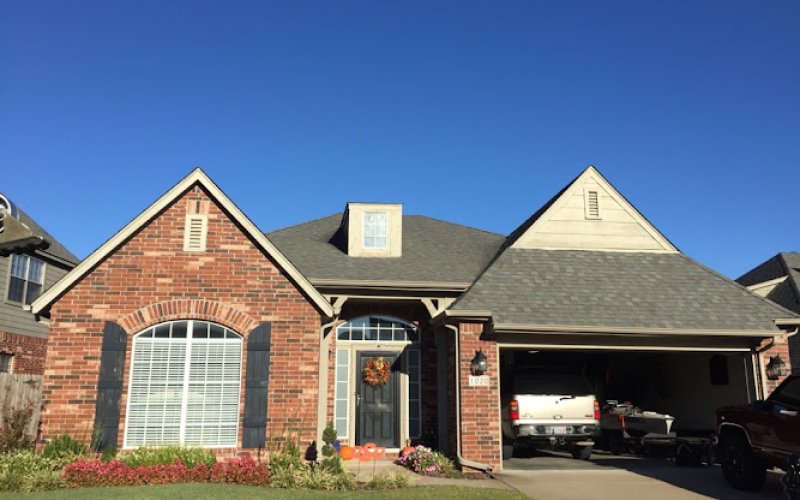
A-Best Roofing
Roofing contractor
T-Town Roofing
Roofing contractorAbout roofer in Tulsa
Here's the thing about Tulsa roofs: they don't die of old age so much as they get murdered by hail. Green Country sits in a corridor where spring supercells roll through with baseball-to-softball sized ice, and a roof that should've lasted 25 years sometimes gets a death sentence in about four minutes of a Tuesday afternoon storm. That single fact shapes almost everything about how the Roofers trade operates here.
The market itself is a mix — you've got long-standing local outfits that have been patching Tulsa roofs since before the Arkansas River flood plain got fully developed, and then a rotating cast of storm-chasing crews that show up in trucks with out-of-state plates every time a bad system rolls through, then vanish by fall. It's fragmented, not dominated by one or two big names, which means quality varies wildly block to block. Demand comes from a few predictable buckets: homeowners filing insurance claims after hail or wind events, sellers in older neighborhoods patching things up before listing, new-construction builders in the suburbs, and commercial property owners dealing with flat or low-slope roofs on strip centers and warehouses along the Broken Arrow Expressway corridor.
What makes Tulsa different from, say, a coastal market or somewhere out west? Asphalt shingles dominate residential work here, partly because they handle the freeze-thaw swings okay and partly because insurance-driven replacement cycles favor the material that's fastest to install. Steep-slope work is common in older neighborhoods with traditional gable roofs, while flat and low-slope membrane systems show up more in commercial and some newer builds. Permitting through the City of Tulsa is generally straightforward for like-for-like replacements, though anything touching structure or decking can slow things down.
Midtown (Cherry Street / Brookside area)
- Area Profile: Older, established, tree-lined streets with a mix of bungalows and pricier renovated homes. Skews higher income, lots of longtime owners plus younger buyers renovating.
- Roofers Activity: Full tear-offs and re-roofs are common since housing stock here often dates back several decades. Architectural shingle upgrades are popular for resale value.
- Price Range: Typically $9,000–$16,000 for a standard asphalt re-roof, higher if there's dimensional detail or dormers.
- Local Note: Some historic overlay considerations near Swan Lake mean you'll want a contractor who understands what's allowed aesthetically, not just structurally.
South Tulsa (near 71st & Yale, Woodland Hills area)
- Area Profile: Newer subdivisions, more corporate transplants, generally higher household income, HOA-governed communities.
- Roofers Activity: Insurance-driven full replacements after hail events are the bread and butter. Homeowners here tend to want quick, clean jobs with minimal disruption.
- Price Range: $10,000–$20,000 range for full replacements, trending toward the higher end with premium shingle lines.
- Local Note: HOA approval on shingle color and style is common — always confirm before ordering materials, or you'll be re-doing paperwork later.
Broken Arrow / East Tulsa Fringe
- Area Profile: Rapid growth area, mix of new construction and 90s-era subdivisions, middle to upper-middle income households.
- Roofers Activity: Heavy mix of new-construction roofing contracts alongside storm-repair work — this area tends to get hit hard when hail tracks come through from the west.
- Price Range: $8,000–$15,000 for typical asphalt jobs; new-build tract pricing often negotiated in bulk by builders.
- Local Note: Because so much of the housing stock is roughly the same age, entire streets sometimes need re-roofing in the same storm season — you'll see whole blocks of dumpsters at once.
North Tulsa / Older Core Neighborhoods
- Area Profile: Older homes, generally lower-to-middle income, more owner-occupied long-term residents than renters in many pockets.
- Roofers Activity: Repairs and partial re-roofs are more common than full premium replacements — budget matters more here, and financing or insurance timing drives the decision.
- Price Range: Patch and repair work often $400–$2,500; full re-roofs on the lower end of the citywide range.
- Local Note: Older decking sometimes needs replacement mid-project, which can surprise homeowners on a tight budget — get that checked before signing anything.
📊 Current Price Points:
- Budget options: $300–$2,500 (minor repairs, patch jobs, flashing fixes)
- Mid-range: $8,000–$16,000 (full asphalt shingle re-roof, most popular segment)
- Premium: $18,000+ (standing-seam metal, tile, or slate roofing)
📈 Market Trends:
- Demand tends to spike hard right after a major hail or wind event, then taper into a slower steady baseline the rest of the year.
- Material availability has generally stabilized compared to the supply chain crunch years, though specialty metal panels can still run into longer lead times.
- Pricing has been drifting upward gradually, tracking labor costs and material inflation more than any single dramatic jump.
- Spring and early summer storm season drives the biggest surge; late fall is typically the best window for non-emergency installs before winter weather complicates scheduling.
- A straightforward residential re-roof usually takes one to three days on-site, though the full process — estimate, insurance approval, material order, install — often stretches two to six weeks.
💰 What People Are Spending:
- Minor repairs (flashing, leak fixes, storm-damage patch): $300–$2,500
- Full asphalt shingle re-roof: $8,000–$16,000
- Metal or premium material upgrade: $18,000–$35,000+
- Gutter replacement/add-on: $1,200–$4,000 depending on linear footage
Economic Indicators: Tulsa's population has been growing at a modest, steady clip rather than booming, with suburbs like Broken Arrow and Owasso adding rooftops faster than the urban core. Major employment anchors — energy sector companies, aerospace (American Airlines' big maintenance base), and a growing healthcare sector — keep the local economy relatively stable, which matters because roofing is a big-ticket expense people delay when budgets tighten. Development trends skew toward suburban expansion, with some infill and renovation activity in midtown and downtown-adjacent areas.
Local Market Dynamics: Demand here is driven overwhelmingly by weather, not just aging housing stock, though the two often combine — a 20-year-old roof that's already near end-of-life gets pushed over the edge by one hailstorm. Competition is fragmented: plenty of small, local crews, a handful of larger regional players, and seasonal storm-chaser companies that inflate the competitive landscape right after big weather events. Material costs have generally leveled off from their earlier spike years, though labor availability tightens noticeably during peak post-storm rushes.
How This Affects Buyers/Customers: If your roof gets damaged in the same storm that hits half your subdivision, expect longer wait times for scheduling — everyone's calling the same handful of reputable local companies at once. This is exactly the window where storm-chaser crews swoop in, so patience and vetting matter more, not less, right after a bad storm.
Tulsa Seasonal Patterns:
- ☀️ Spring/Summer: Peak season — storm damage surges combine with ideal install weather, meaning high demand and sometimes longer wait times.
- 🍂 Fall: Often the sweet spot — good weather, less competition for crew time, last real window before winter weather complicates scheduling.
- ❄️ Winter: Slower season overall; some contractors offer better pricing to keep crews busy, but cold snaps can delay shingle sealing and installation quality.
- 📅 Peak months: Act fast in the weeks right after a major hailstorm if you need insurance-driven work; negotiate harder in late fall when things are quiet.
Timing Tips for Tulsa: The best general window for deals tends to be October through early December. Crew availability tightens dramatically in the days and weeks after a significant hail event — that's when you'll see the most trucks and the most rushed estimates. Freeze-thaw cycles in January and February aren't ideal for new installs, so most reputable companies slow down or reschedule accordingly.
Smart Timing Tips:
- ✓ Get on a reputable contractor's schedule early if storm season is approaching — don't wait until after the damage.
- ✓ If your roof is damaged, document everything before any repairs begin, for insurance purposes.
- ✓ Consider fall installs for non-emergency replacements — better pricing, better weather, less competition.
- ✓ Avoid signing anything with a crew that showed up unsolicited within 48 hours of a storm.
Credentials to Verify: Oklahoma doesn't require a statewide roofing-specific license the way some states do, which makes manufacturer certifications (GAF Master Elite, Owens Corning Preferred Contractor) and general contractor licensing/registration more important as a signal of legitimacy. Look for proof of general liability insurance and workers' comp coverage — this protects you if someone gets hurt on your property. Membership in local or regional trade associations is a good extra signal, though not a strict requirement.
Questions to Ask: How long has the company operated in the Tulsa metro specifically (not just "we serve the region")? Can they provide references from actual local customers, ideally in your neighborhood? Are pricing, materials, and warranty terms — both workmanship and manufacturer — spelled out in writing before any work starts?
⚠️ Red Flags Specific to Tulsa Roofers:
- Storm-chaser door-knockers offering "storm damage specials" right after severe weather — a well-known seasonal pattern in this industry.
- Demanding full payment upfront before any work starts.
- No permanent local address or only a P.O. box.
- Pressuring you to sign an insurance-claim assignment before an adjuster has even inspected the roof.
Where to Check Complaints: The Better Business Bureau's Tulsa-area listings are a solid starting point, along with Google and Yelp reviews — look for patterns in complaints (recurring mentions of no-shows, incomplete work, or communication gaps) rather than one-off bad reviews, which happen to every company eventually.
✓ Established presence in Tulsa (not just passing through after a storm)
✓ Verifiable local reviews and references
✓ Transparent pricing, no hidden fees
✓ Clear process explained upfront
✓ Responsive communication
Check Reviews & Ratings
We recommend verifying businesses through trusted review platforms before making a decision.
Frequently Asked Questions
Popular Categories in Tulsa
Explore Other Cities
🏡 Roofers near Tulsa
Professional Categories in Tulsa, OK
Related Services from Similar Professionals