Trusted, Reliable Roofers in St. Louis, MO
Looking for a solid roofer in St. Louis? You've come to the right spot — we've rounded up local pros who actually know how to handle that Midwest weather beating down on your roof.
Map of Businesses in St. Louis
All Listings in St. Louis
11 businesses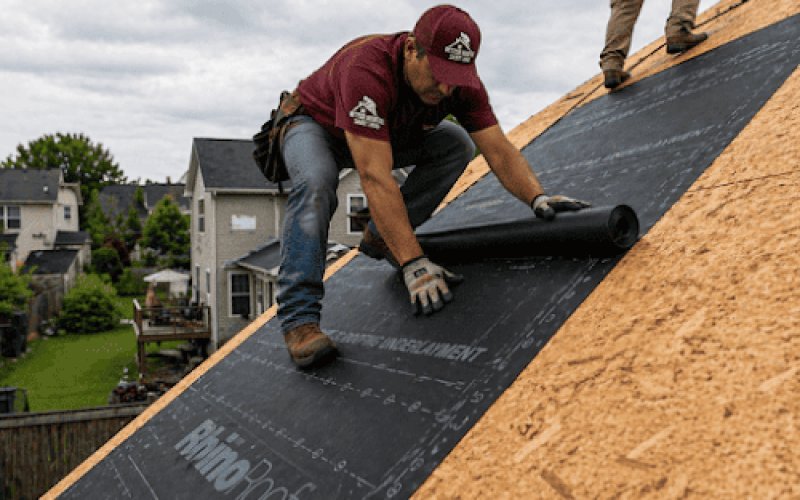
Better Roofers Saint Louis
Roofing contractor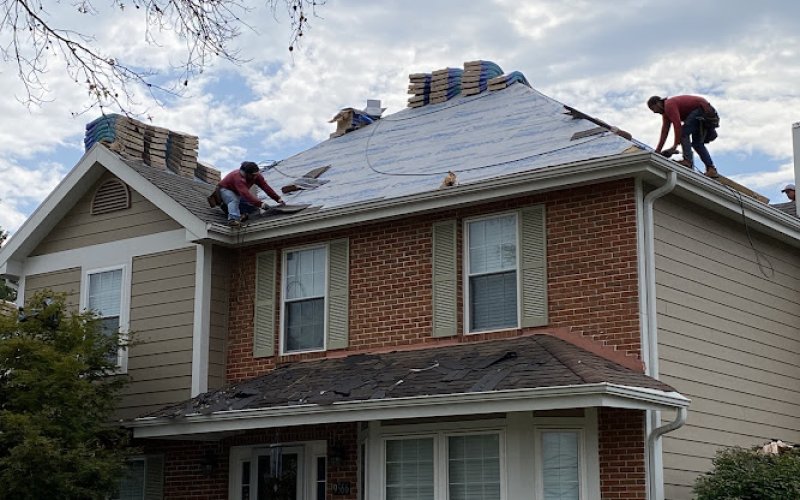
Conner Roofing, LLC
Roofing contractor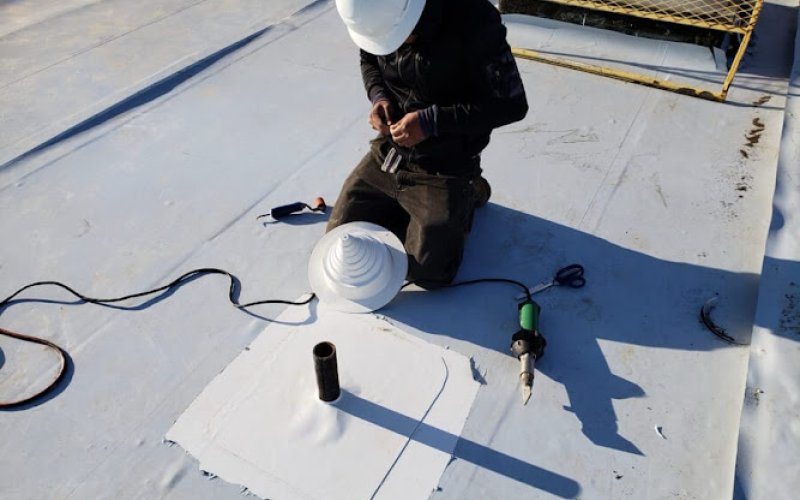
St. Louis Commercial Roofing
Roofing contractor
Hulsey Roofing
Roofing contractor
Repair It Roofing
Roofing contractor
Simmons Family Roofing
Roofing contractor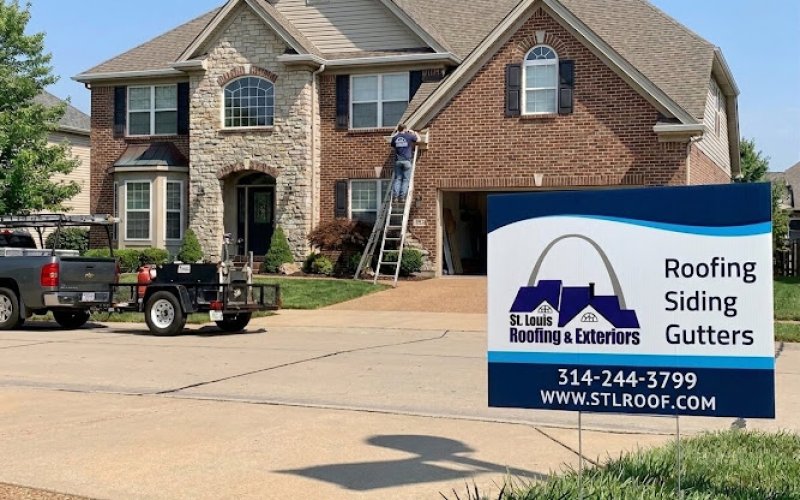
St. Louis Roofing & Exteriors
Roofing contractor
All Weather Roofing Systems
Roofing contractor
Spartan Roofing LLC
Roofing contractor
Frederic Roofing Company
Roofing contractor
St. Louis Roofing Company Inc.
Roofing contractorAbout roofer in St. Louis
Here's a fact about St. Louis nobody thinks about until a windstorm rips through Kirkwood or the hail comes sideways off the Mississippi in April: this region sits in a sweet spot for roof damage. Not quite Tornado Alley, not quite the calm Midwest people imagine — St. Louis gets the worst of both, springtime hail bands and summer straight-line winds that shred asphalt shingles like they're made of paper. So the roofing trade here isn't seasonal in the polite sense. It's storm-reactive, and everyone in the business plans their year around it whether they admit it or not.
The market itself feels pretty fragmented — a handful of larger, well-known outfits that advertise heavily after big storms, and then a long tail of smaller crews, family operations, and one-truck contractors who get most of their work through referrals in specific neighborhoods. Demand comes from a few predictable places: homeowners dealing with hail or wind damage and an insurance claim in hand, sellers in older neighborhoods trying to get a roof inspection-ready before listing, and a steady trickle of new construction out in St. Charles County and parts of South County. Commercial flat-roof work — think strip malls along Manchester Road or older warehouse conversions in Midtown — is its own smaller lane entirely, usually handled by contractors who specialize in TPO or modified bitumen rather than standard shingle crews.
What makes St. Louis a little different from, say, a Sun Belt city is the housing stock. A huge chunk of the metro — especially the city proper and inner-ring suburbs like Maplewood or University City — has roofs on homes built in the 1920s through 1950s, which means old rafter spacing, sometimes original slate or clay tile still up there, and a lot of "surprise" decking issues once a crew tears off the old layer. Permitting also varies block by block; the City of St. Louis has its own permit process separate from St. Louis County, and that trips up out-of-town contractors more than you'd expect.
South City (Bevo Mill, Dutchtown, Southampton)
- Area Profile: Working- and middle-class, dense brick housing, a lot of long-time owner-occupants alongside younger buyers renovating older homes.
- Roofers Activity: Mostly repair and partial re-roofs on older asphalt or aging architectural shingle roofs; steep-slope brick bungalows dominate.
- Price Range: Typically on the lower-to-mid end for full re-roofs given smaller roof footprints — often $7,000–$13,000 for a standard tear-off and reshingle.
- Local Note: Alley access and tight lot lines make dumpster placement and staging a real logistical issue — good contractors plan for it, others show up and figure it out on the fly.
Kirkwood / Webster Groves
- Area Profile: Established, higher-income, tree-heavy older suburbs with a mix of historic homes and newer infill construction.
- Roofers Activity: Heavy demand for full replacements after storm events, plus a fair number of upgrades to architectural or dimensional shingles, and some interest in metal roofing on renovated homes.
- Price Range: Mid-range to premium — $12,000–$22,000 is common for a full re-roof, more if slate or metal is involved.
- Local Note: Mature tree canopy means more debris damage and more contractors pushing gutter guard add-ons alongside the roof job.
Chesterfield / West County
- Area Profile: Newer construction, higher household incomes, a lot of subdivisions with active HOAs.
- Roofers Activity: Insurance-driven full replacements dominate after hail events; new-build roofing also steady given ongoing residential development further west.
- Price Range: $13,000–$20,000+ typical for a full asphalt job, premium jobs pushing higher with larger roof footprints.
- Local Note: HOA approval on shingle color and sometimes material type is a real factor — skipping that step causes delays homeowners don't see coming.
📊 Current Price Points:
- Budget options: $300–$1,500 (minor repairs, patch jobs, flashing fixes)
- Mid-range: $8,000–$16,000 (full asphalt shingle re-roof, the segment most homeowners fall into)
- Premium: $18,000–$40,000+ (metal, tile, slate, or complex architectural roofs)
📈 Market Trends:
- Demand tends to spike hard after significant hail or wind events, then settle into a steadier baseline the rest of the year — this rhythm is pretty locked-in for the region.
- Material availability has generally improved compared to the supply chain crunch of a few years back, though certain metal panel profiles and specialty tile still see longer lead times.
- Labor remains tight in peak storm-recovery windows — good crews book out weeks, sometimes months, after a major event.
- Pricing has been drifting upward gradually, tracking general material and labor cost inflation rather than any sudden jump.
- Install season really runs spring through late fall; winter work happens but scheduling gets weather-dependent and slower.
- A typical full re-roof job, once scheduled, usually takes one to three days on-site — the wait to get scheduled is usually the longer part.
💰 What People Are Spending:
- Storm-damage repair (patch, flashing, shingle replacement): $500–$3,000
- Full asphalt shingle re-roof: $8,000–$18,000
- Metal or standing-seam roof installation: $18,000–$35,000+
- Gutter replacement/repair bundled with roof work: $1,500–$5,000 additional
Economic Indicators: The metro population has stayed fairly flat to modestly growing overall, with growth concentrated in outer suburbs like St. Charles County while the urban core sees more turnover than raw growth. Healthcare systems, financial services, and logistics remain dominant employment sectors regionally. New residential development skews toward the western and southwestern edges of the metro, while the city core sees more renovation-driven activity than ground-up building. Income levels vary sharply by neighborhood — this isn't a uniformly high- or low-income market, it's a patchwork.
Local Market Dynamics: Storm and hail damage cycles are the single biggest driver of roofing demand here, full stop. Aging housing stock in the city and inner suburbs adds a steady undercurrent of repair and replacement work independent of weather. Competition is fragmented — a few larger, storm-response-focused companies compete alongside dozens of smaller local crews, and pricing can vary more than people expect for what looks like the same job on paper.
How This Affects Buyers/Customers: If your roof gets hit in a spring hailstorm, you're competing with half the neighborhood for the same crews — expect longer wait times and get on a schedule early rather than waiting to compare five quotes. If you're doing a non-emergency replacement, you generally have more negotiating room and better crew availability outside of storm-recovery crunches.
St. Louis Seasonal Patterns:
- ☀️ Spring/Summer: Peak season, both for install conditions and storm-driven demand surges — book early.
- 🍂 Fall: Strong window for getting work done before winter, often with slightly better crew availability than peak summer.
- ❄️ Winter: Slower season overall; some contractors offer better pricing to keep crews busy, but weather can delay start dates.
- 📅 Peak months: Late spring through mid-summer, right after major storm systems, is when you'll wait longest and pay closest to full price.
Timing Tips for St. Louis: The best deals tend to show up in late fall and winter when things slow down. Crew availability tightens fastest right after a named storm or serious hail event — that's when the door-knockers show up too. Freeze-thaw cycles in winter aren't ideal for shingle installation, so contractors sometimes push jobs into a waiting queue until temperatures stabilize. Expect the whole process — quote, insurance back-and-forth if applicable, scheduling, and install — to run anywhere from a couple weeks to a couple months depending on season.
Smart Timing Tips:
- ✓ Get on a contractor's schedule immediately after storm damage, even before your insurance adjuster visits
- ✓ Consider fall or winter for non-emergency re-roofs to get more attention and possibly better pricing
- ✓ Avoid signing anything with door-knocking "storm chasers" who showed up uninvited the day after a storm
- ✓ Ask about lead times upfront — a contractor who can start "tomorrow" during peak season is worth a second look
Credentials to Verify: Missouri doesn't have a statewide contractor licensing requirement the way some states do, but many municipalities in the St. Louis metro require local business licenses or permits, so ask directly whether they're registered to pull permits in your specific jurisdiction — city and county rules differ. Manufacturer certifications like GAF Master Elite or Owens Corning Preferred Contractor status are a solid signal since those require ongoing training and volume thresholds. Membership in groups like the local homebuilders association or long-standing chamber affiliation adds another data point.
Questions to Ask: How long have they specifically worked in the St. Louis metro (not just "in the industry")? Can they provide references from jobs in your neighborhood or a similar one? Are they upfront about the difference between workmanship warranty and manufacturer warranty, and will they put both in writing?
⚠️ Red Flags Specific to St. Louis Roofers:
- Storm-chaser door-knockers offering "storm damage specials" right after severe weather — a well-known seasonal pattern here
- Demanding full payment upfront before any work starts
- No permanent local address or only a P.O. box
- Pressuring you to sign an insurance-claim assignment before an adjuster has even inspected the roof
Where to Check Complaints: The Better Business Bureau's local St. Louis chapter is a solid starting point, along with Google and Yelp review patterns — pay attention to how a company responds to negative reviews, not just the star average. Repeated complaints about no-shows or unfinished jobs are worth taking seriously.
✓ Established presence in St. Louis (not just passing through after a storm)
✓ Verifiable local reviews and references
✓ Transparent pricing, no hidden fees
✓ Clear process explained upfront
✓ Responsive communication
Check Reviews & Ratings
We recommend verifying businesses through trusted review platforms before making a decision.
Frequently Asked Questions
Popular Categories in St. Louis
Explore Other Cities
🏡 Roofers near St. Louis
Professional Categories in St. Louis, MO
Related Services from Similar Professionals