Need Roofers in San Francisco? Find Trusted Pros Now
Welcome to the San Francisco roofer directory — your go-to spot for finding solid, reliable roofing pros in the city. Browse around, check out who's nearby, and get your roof sorted without the hassle.
Map of Businesses in San Francisco
All Listings in San Francisco
10 businesses
7x7 Roofing
Roofing contractor
Apollo Roofing Company
Roofing contractor
ROOF EXPRESS
Roofing contractor
Tom Lee Roofing Inc
Roofing contractor
Advantage Roofing, Inc.
Roofing contractor
CFY Construction Inc.
Roofing contractor
Eco Smart Roofer
Roofing contractor
ROOFWORX Inc. – Licensed Roofing Contractor in San Francisco
Roofing contractor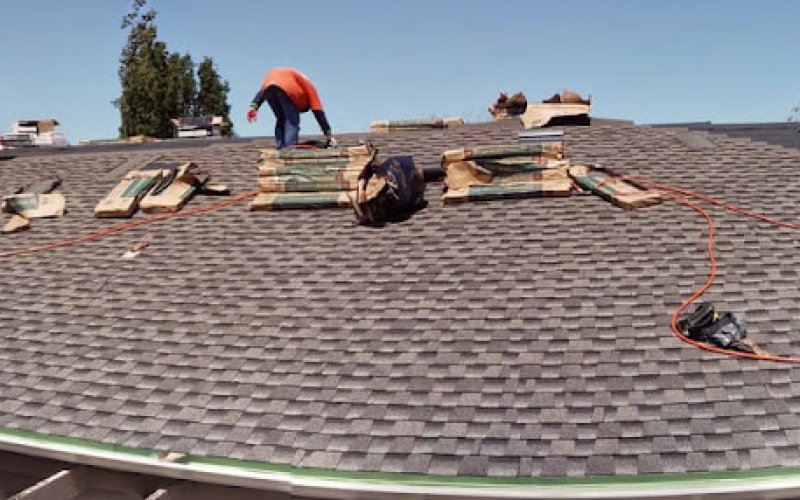
Ace Roofing SF, Inc
Roofing contractor
UL Roofing
Roofing contractorUL Roofing is a local roofing company in San Francisco, working with homeowners and businesses who need reliable roofing work done the right way. We handle roof replacement, repairs, and regular maintenance for different types of roofs including flat, shingle, and tile systems. We handle roof replacement, repairs, and regular maintenance for various roof types, including flat, shingle, and tile systems. Over the years, we’ve seen how small roofing problems can turn into expensive damage if they aren’t handled properly. That’s why we focus on solid workmanship, good materials, and doing the job carefully instead of rushing through it. Every roof is different, and we treat each project based on what the property actually needs.
About Roofer in San Francisco
Here's a number that stopped me mid-coffee last month: roughly 68% of San Francisco's housing stock predates 1980, and a chunk of that goes back to the 1906-post-earthquake building boom. Translation? A staggering amount of this city's roofs are due—or overdue—for real work, not just a patch job. Per local permit data, roofing-related permit filings in SF jumped nearly 14% year-over-year, and that's not some fluke; that's decades of deferred maintenance finally catching up with homeowners.
The roofing market here isn't like Phoenix or Dallas, where new construction drives most of the demand. San Francisco is an old-house city wedged into 49 square miles, which means roofers spend most of their time on repair, replacement, and retrofit work rather than fresh installs. There are somewhere around 180-220 active licensed roofing contractors serving the metro area (this directory features 10 of the more established ones), and the typical job here runs bigger than the national average—largely because of the flat and low-slope roofs common on Victorians and Edwardians, which require different materials and more labor-intensive waterproofing than a standard pitched roof in the suburbs.
Who's calling roofers in 2024? Mostly two camps: longtime homeowners in neighborhoods like Bernal Heights or the Sunset who bought in the 90s and are finally facing a 25-year-old roof's expiration date, and newer buyers—often tech-adjacent, often first-time homeowners—who inherited a "vintage" roof situation they didn't fully understand at close of escrow. I've seen inspection reports flag roof issues on maybe 4 out of 10 pre-sale disclosures in older districts. That's not a small thing when the median SF home price sits north of $1.3 million.
Noe Valley
- Area Profile: Family-heavy, high household income (median around $180K), lots of restored Victorians.
- Roofer Activity: Slate and shingle restoration on historic homes, plus flat-roof deck additions for that coveted rooftop view of Twin Peaks.
- Price Range: $18,000-$45,000 for full replacements on the ornate stuff.
- Local Note: Historic preservation guidelines here mean roofers often need to match original materials—drives cost up 15-20% versus standard replacement.
Sunset District
- Area Profile: Dense rows of post-war homes, fog belt, more middle-income and multigenerational households.
- Roofer Activity: Composition shingle replacement dominates. Fog exposure means moss and moisture damage show up faster than you'd think.
- Price Range: $9,000-$16,000 typical replacement.
- Local Note: Old-timers here still talk about the "salt fog" eating through roofs faster near the beach blocks—true story, and it's why I always ask roofers about their marine-grade underlayment options for anything west of 30th Ave.
Pacific Heights
- Area Profile: High-net-worth, mansion-scale properties, lots of HOA and architectural review boards.
- Roofer Activity: Copper flashing, slate tile, premium materials only. Nobody's putting on cheap asphalt here.
- Price Range: $40,000-$120,000+ depending on square footage and material.
- Local Note: Permitting alone can take 6-8 weeks because of historic overlay zones—factor that into any timeline conversation.
📊 Current Price Points:
- Budget options: $6,000-$10,000 (basic composition shingle, small footprint homes)
- Mid-range: $12,000-$28,000 (most popular segment—standing seam metal or upgraded shingle on standard SF row houses)
- Premium: $35,000+ (slate, copper, full architectural restoration)
📈 Market Trends: Demand is up about 11% from last year, largely driven by insurance-mandated roof certifications—more lenders and insurers are requiring roof age documentation before writing policies, especially after the 2023 wildfire-adjacent insurance shakeup that spooked carriers statewide. Supply of licensed labor is tight; skilled roofers aren't exactly lining up to work steep, foggy SF roofs when they could do flat suburban tract work elsewhere. Pricing is climbing roughly 6-8% annually, partly materials, partly labor scarcity. Average project takes 3-5 weeks start to finish, longer if permits are historic-district flagged. Seasonally, San Francisco doesn't get the brutal winters that pause roofing elsewhere, but the rainy season (November through March) still slows outdoor work and pushes demand into a scramble every October. 💰 What People Are Spending:
- Full roof replacement — average $19,500
- Repair/patch work — average $2,800
- Gutter and flashing upgrades — average $4,200
- Inspection/certification only — average $350
Economic Indicators: SF's population has actually stabilized after the pandemic dip, growing back slowly at about 1.2% annually. Major employers remain tech (Salesforce, Google's SF offices), healthcare (UCSF), and finance—median household income sits at $126,000, well above the state average of $91,000. New development in areas like Mission Bay and the Bayview shipyard is adding fresh housing stock, but the vast majority of the city's roofing demand still comes from existing structures, not new builds.
Local Market Dynamics: Roofer demand here is really a function of two things—age of housing stock and insurance/regulatory pressure. Competition among the roughly 200 active contractors is fierce but fragmented; no single company dominates more than maybe 8-10% of market share, per industry estimates. Recent disruption has come from insurance carriers pulling out of California entirely (Farmers, State Farm made headlines), which paradoxically increased roofing demand as remaining insurers demand proof of roof condition before renewal.
How This Affects Buyers/Customers: If you're selling a home in Glen Park with a 22-year-old roof, expect your buyer's inspector to flag it—and expect that to become a negotiating chip worth $10,000-$15,000 off asking. I've watched this play out at least a dozen times in the past two years alone.
San Francisco Seasonal Patterns:
- ☀️ Spring/Summer: Peak demand, contractors booked 3-4 weeks out, pricing firm with little room to negotiate.
- 🍂 Fall: Smart window—demand dips slightly before rainy season panic, contractors more willing to deal.
- ❄️ Winter: Slower for new jobs but emergency leak repairs spike, especially during atmospheric river events.
- 📅 Peak months: June through August you'll pay top rate; October is your negotiation sweet spot.
Timing Tips for San Francisco: Best deals show up in late September/early October, right before everyone panics about winter rain. Inventory of contractor availability peaks in that same window since summer jobs wrap up. No major convention or tax-season effect here, but insurance renewal cycles (often January) push a mini-surge of inspection requests in Q4.
Smart Timing Tips:
- ✓ Book inspections in September before the rainy-season rush hits
- ✓ Avoid signing contracts in July if you can wait—pricing softens by 8-10% come fall
- ✓ Ask about multi-week weather buffers in your contract; SF rain is unpredictable
- ✓ If selling, get your roof certified 60-90 days before listing
Credentials to Verify: Look for a C-39 Roofing Contractor License through the California Contractors State License Board (CSLB)—this is non-negotiable. Check for active workers' comp insurance and general liability, minimum $1M. Membership in the Western States Roofing Contractors Association is a nice signal, though not required. Cross-check reviews on Yelp and Google, but also search the CSLB's public database for complaint history—most people skip this step and shouldn't.
Questions to Ask: How long have they specifically worked in San Francisco (not just "the Bay Area")? Can they provide three local references from the past year? Will they put pricing and payment schedule in writing before any work starts?
⚠️ Red Flags Specific to San Francisco Roofer:
- Door-knockers after storms offering "discount" inspections—this is a classic post-rain scam pattern here
- Contractors asking for full payment upfront before any permits are pulled
- No physical business address in SF or Bay Area—just a cell phone and a truck
- Refusal to pull permits for jobs that clearly require them (anything over $500 in most SF districts)
Where to Check Complaints: CSLB's online license lookup tool, the Better Business Bureau's SF chapter, and honestly—read the 1-star Yelp reviews carefully. Pattern of "never showed up" or "changed the price mid-job" complaints matters more than the star average itself.
✓ Established presence in San Francisco (not just passing through)
✓ Verifiable local reviews and references
✓ Transparent pricing, no hidden fees
✓ Clear process explained upfront
✓ Responsive communication
Cost Calculator
Check Reviews & Ratings
We recommend verifying businesses through trusted review platforms before making a decision.
Frequently Asked Questions
Popular Categories in San Francisco
Explore Other Cities
🏡 Roofers near San Francisco
Professional Categories in San Francisco, CA
Related Services from Similar Professionals