Your Trusted Roofers in Buckeye, AZ, Sorted
Looking for a solid roofer in Buckeye? You're in the right spot—we've rounded up local pros so you can skip the endless googling and find someone good, fast.
Planning a new roof installation?
Talk to a local roofing pro about roof installation and replacement. Advertisement
Map of Businesses in Buckeye
All Listings in Buckeye
13 businesses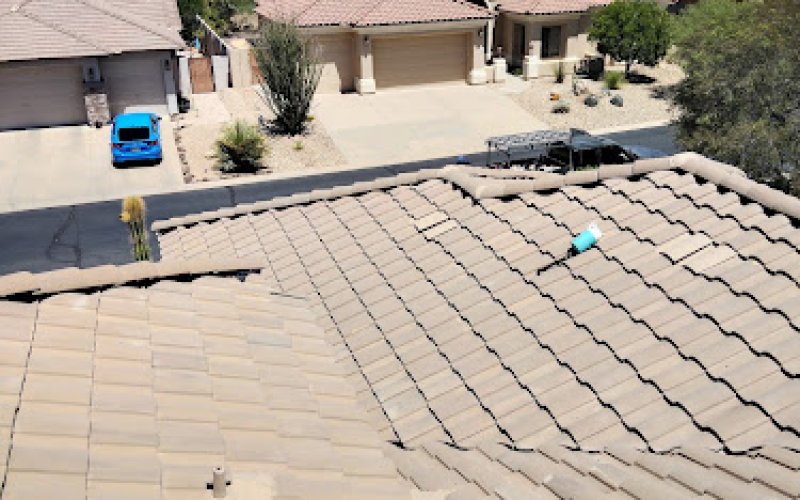
United Legends Roofing
Roofing contractor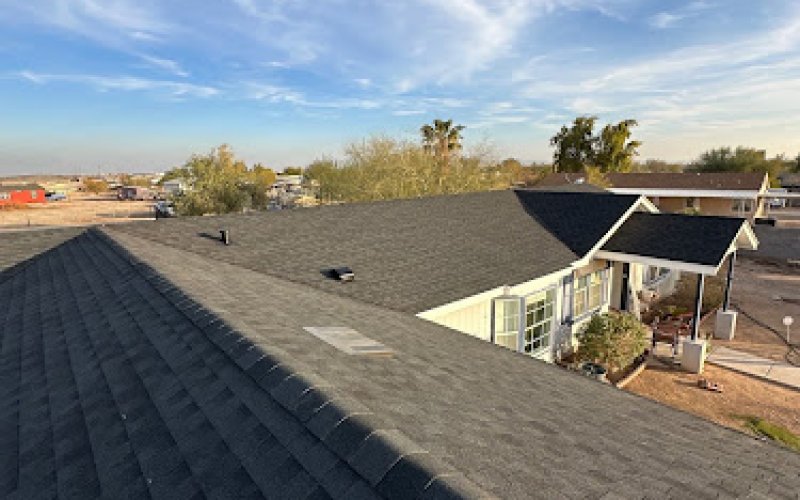
YM Roofing LLC
Roofing contractor
Pedroza Roofing LLC
Roofing contractor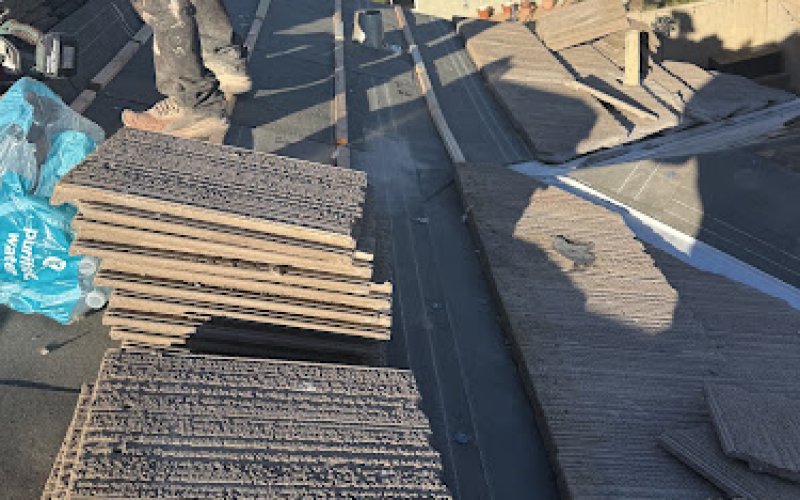
Premier Roofing Contractors LLC.
Roofing contractor
Essential Roofing Guys Buckeye
Roofing contractor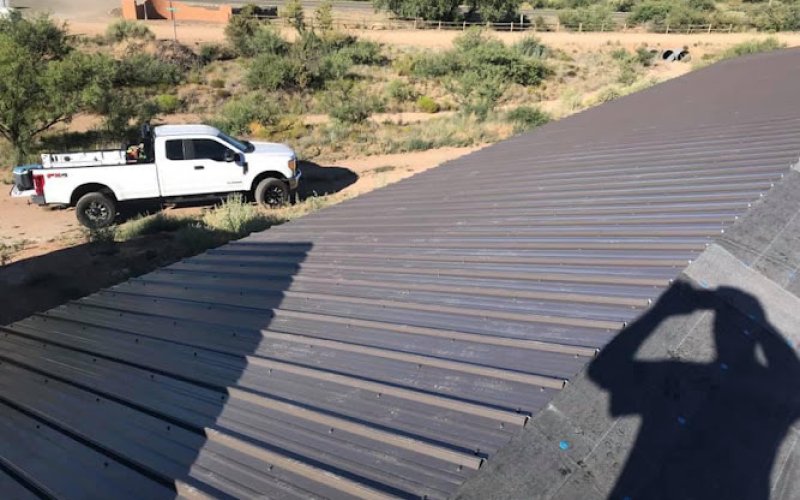
Gary and Son Roofing
Roofing contractor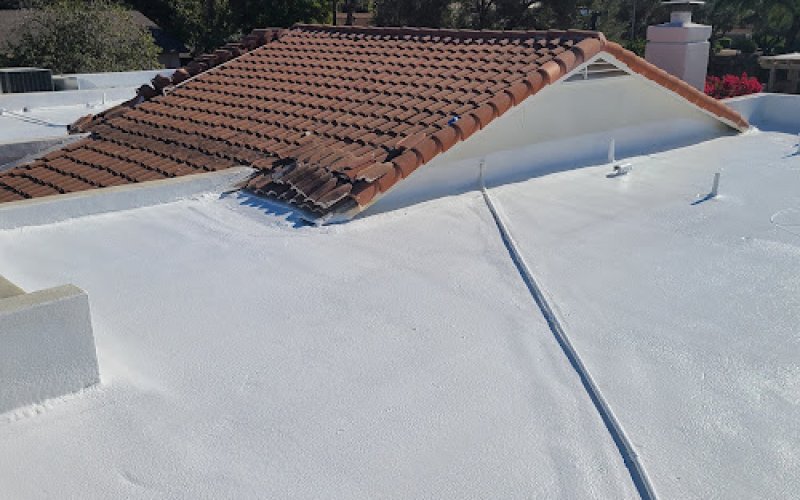
Jalisco Roofing LLC
Roofing contractor
D & M Roofing LLC
Roofing contractor
Rapid Roofing Plus, LLC
Roofing contractor
A1 Roofing Solutions
Roofing contractor
Roofing Repair Guy Buck Eye
Roofing contractor
RG Handyman & Roofing Specialties
Roofing contractor
Evergeen Roofing Buckeye
Roofing contractorAbout roofer in Buckeye
Here's something people don't think about until their AC bill triples in July: a roof in Buckeye ages differently than one in, say, Flagstaff or even Phoenix proper. You've got sun exposure that's relentless nine months out of the year, then a monsoon season that dumps wind and hail with almost no warning. That one-two punch — UV breakdown followed by sudden storm stress — is why shingles here tend to show wear faster than the manufacturer's glossy brochure suggests. It's just the deal with desert roofing.
The Roofers market in Buckeye right now feels like it's playing catch-up with the city itself. Buckeye's been one of the faster-growing spots in the West Valley for a while, which means you've got a weird mix going on: brand new tile roofs in master-planned communities sitting a few miles from farmhouses and older ranch homes with roofs pushing 20-plus years. That range creates steady work across the board — new construction inspections and warranty punch-lists on one end, emergency tarp-and-patch jobs after a summer storm rolls through on the other.
Demand tends to cluster around a few groups: homeowners dealing with actual storm damage (hail dents on shingles, wind-lifted tile, that kind of thing), sellers trying to get a roof certification done before listing, new-build buyers navigating builder warranties, and a decent chunk of commercial property owners with flat or low-slope roofs on retail strips and warehouses near the I-10 corridor. With 13 businesses listed in this directory alone, the market reads as fragmented rather than dominated by one or two big players — plenty of small crews and a handful of larger regional outfits, all competing for the same pool of re-roofs and repairs.
Sundance
- Area Profile: One of the more established planned communities in Buckeye, mid-income families, lots of homes built in the 2000s.
- Roofers Activity: Heavy on tile re-roofs and underlayment replacement — the tile often outlasts what's underneath it.
- Price Range: Typically $9,000–$16,000 for a full underlayment-and-tile-reset job.
- Local Note: HOA guidelines here are pretty strict about matching existing tile color and profile, so sourcing matters more than in newer subdivisions.
Verrado
- Area Profile: Higher-end, newer construction, a lot of transplants from California and other states, strong HOA presence.
- Roofers Activity: Mostly warranty inspections, minor repair, and occasional upgrades to premium materials (standing-seam metal accents, upgraded tile).
- Price Range: Repairs run modest, but full premium re-roofs can push $20,000+ given material choices.
- Local Note: Architectural review committees here can slow down permitting — budget extra time before a crew can even start.
Downtown Buckeye / Historic District
- Area Profile: Older housing stock, some homes dating back decades, lower average income than the newer master-planned areas.
- Roofers Activity: A lot of full asphalt shingle replacements and structural repair work — sagging decking, old flashing that needs redoing.
- Price Range: $6,500–$13,000 is a common range for a straightforward asphalt re-roof here.
- Local Note: Older permitting records can be spotty, so contractors sometimes need to do more legwork confirming what's actually under the existing layer.
📊 Current Price Points:
- Budget options: $300–$1,500 (minor repairs, patch jobs, flashing fixes)
- Mid-range: $7,000–$15,000 (full asphalt shingle re-roof, most popular segment)
- Premium: $18,000+ (metal, tile, or slate roofing)
📈 Market Trends:
- Demand tends to spike right after monsoon season — late summer into early fall is when phones start ringing.
- Material availability has generally stabilized compared to the supply crunches of a few years back, though tile and specialty metal can still have longer lead times.
- Pricing has been drifting upward gradually, tracking labor costs and fuel/transport rather than any single dramatic jump.
- Install season is really spring through early summer — before it's too brutal to be on a roof at 2pm, and before storms roll in.
- A typical full re-roof job, once scheduled, usually takes anywhere from 2 to 5 days depending on size and material.
💰 What People Are Spending:
- Storm/hail repair (patch, flashing, vent replacement): $300–$2,500
- Full asphalt shingle re-roof: $7,000–$15,000
- Tile re-roof or underlayment replacement: $9,000–$18,000
- Metal roofing (partial or full): $14,000–$25,000+
- Gutter repair/replacement paired with roof work: $1,000–$4,000
Economic Indicators: Buckeye has been on a steady growth curve for a while now, with new residential development pushing further west and south of the original townsite. Housing stock is a genuine mix — decades-old homes near downtown alongside subdivisions still being built out near Verrado, Sundance, and Tartesso. Income levels vary block to block more than city-wide, which keeps the Roofers market serving a broad range of budgets rather than one dominant price tier.
Local Market Dynamics: Demand here is driven less by "roofs just wearing out on schedule" and more by weather events — a bad hailstorm can generate a wave of insurance-claim work that keeps crews booked solid for weeks. The competitive landscape feels fragmented: plenty of small, owner-operator crews doing quality work alongside a few larger regional companies with more marketing reach. Material costs have leveled off some but haven't really dropped back to pre-pandemic norms.
How This Affects Buyers/Customers: Practically speaking, if you're calling around in September after a storm, expect longer wait times and maybe a premium on scheduling. Call in February or March instead, and you'll likely get more attention, faster quotes, and a bit more room to negotiate on price.
Buckeye Seasonal Patterns:
- ☀️ Spring/Summer: Peak install season, but also peak storm-repair season once monsoons kick in around July — book early.
- 🍂 Fall: Good window for deals, crews clearing out summer backlog before things slow down.
- ❄️ Winter: Generally quieter, occasional cold snaps can delay adhesive-dependent work, but pricing tends to be friendlier.
- 📅 Peak months: July through September you'll want to move fast if there's storm damage; October through February is better for negotiating a routine re-roof.
Timing Tips for Buckeye: The right general window for a planned (non-emergency) re-roof is late fall into winter, when crews aren't slammed with storm calls. Right after a major hailstorm, availability tightens fast and some companies get booked out for weeks. Permitting can also add time — factor in a couple weeks minimum depending on how backed up the city's building department is.
Smart Timing Tips:
- ✓ Get on a roofer's schedule in early spring before monsoon season fills their calendar.
- ✓ If you've had storm damage, document it with photos immediately, before you even call anyone.
- ✓ Ask about off-season discounts — winter slowdown often means more flexible pricing.
- ✓ Don't wait until you see interior water stains to act; roof damage usually shows external signs first.
Credentials to Verify: In Arizona, roofing contractors need to be licensed through the Arizona Registrar of Contractors (ROC) — this isn't optional, and it's worth checking a contractor's license status directly rather than taking their word for it. Manufacturer certifications, like GAF Master Elite or Owens Corning Preferred Contractor status, are a good secondary signal since they usually require ongoing training and volume commitments.
Questions to Ask:
- How long have you actually worked in Buckeye specifically, not just "the Valley" broadly?
- Can you provide references from jobs in this area, not just anywhere in Phoenix?
- What's included in your written estimate, and how do workmanship warranties differ from manufacturer warranties?
⚠️ Red Flags Specific to Buckeye Roofers:
- Storm-chaser door-knockers offering "storm damage specials" right after severe weather — a well-known seasonal pattern in this industry.
- Demanding full payment upfront before any work starts.
- No permanent local address or only a P.O. box.
- Pressuring you to sign an insurance-claim assignment before an adjuster has even inspected the roof.
Where to Check Complaints: Start with the Arizona Registrar of Contractors for license status and complaint history, then cross-reference with the BBB and Google/Yelp reviews. Look for patterns rather than one bad review — a string of complaints about no-shows or unfinished jobs matters more than a single one-star rant.
✓ Established presence in Buckeye (not just passing through)
✓ Verifiable local reviews and references
✓ Transparent pricing, no hidden fees
✓ Clear process explained upfront
✓ Responsive communication
Check Reviews & Ratings
We recommend verifying businesses through trusted review platforms before making a decision.
Frequently Asked Questions
Popular Categories in Buckeye
Explore Other Cities
🏡 Roofers near Buckeye
Professional Categories in Buckeye, AZ
Related Services from Similar Professionals